
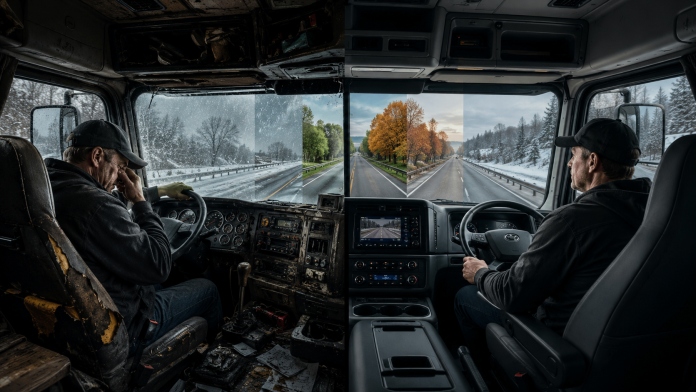


For professional truck drivers, performance is often measured by factors such as on-time delivery, safety records, fuel efficiency, and compliance with regulations. While skill, experience, and work ethic all play important roles, one factor that receives less attention outside the industry is equipment quality.
The condition and reliability of the equipment drivers use every day can significantly influence how effectively they perform their jobs. Trucks that are well-maintained and equipped with modern features can improve comfort, reduce stress, and support safer decision-making. On the other hand, outdated or poorly maintained equipment can create unnecessary obstacles that affect both productivity and driver well-being.
Understanding the connection between equipment quality and driver performance highlights why investments in fleet maintenance and vehicle upgrades matter—not only for businesses, but also for the people behind the wheel.
Equipment Reliability Reduces Disruptions
Unexpected mechanical issues are among the most frustrating experiences drivers encounter on the road. Breakdowns can delay deliveries, disrupt schedules, and increase stress levels.
Reliable equipment offers several advantages:
- Fewer roadside breakdowns
- Reduced downtime for repairs
- More predictable trip planning
- Improved confidence during long-haul routes
- Lower risk of missed appointments
When drivers trust their equipment, they can focus more on navigating road conditions, managing time effectively, and maintaining safe driving habits.
For Wisconsin drivers who often face changing seasonal conditions, dependable equipment becomes especially important. Cold temperatures, snow, and ice can place additional demands on trucks, making preventive maintenance essential.
Driver Comfort Influences Performance
Long hours behind the wheel can take a physical toll. Poor seating support, excessive cab noise, inadequate climate control, and uncomfortable sleeping arrangements can contribute to fatigue and discomfort.
Modern equipment often includes improvements designed to address these concerns.
Ergonomic Seating
Seats with enhanced lumbar support and adjustable positioning can help reduce back pain and muscle strain. Drivers who experience less discomfort are better able to maintain focus throughout their shifts.
Climate Control Systems
Wisconsin weather varies dramatically throughout the year. Effective heating and cooling systems help drivers remain comfortable whether they’re operating during freezing winters or humid summer conditions.
Reduced Noise and Vibration
Advancements in cab design have helped minimize vibration and road noise. Lower exposure to these factors may reduce mental fatigue during extended trips.
Improved Sleeper Berths
For drivers spending multiple nights away from home, well-designed sleeper compartments contribute to better rest and recovery.
Comfort should not be viewed as a luxury. It directly affects alertness, concentration, and overall job performance.
Technology Supports Safer Driving
Equipment quality also extends to the technology integrated into today’s commercial vehicles.
Modern safety systems can assist drivers by providing additional awareness and support without replacing professional judgment.
Common examples include:
- Collision mitigation systems
- Lane departure warnings
- Adaptive cruise control
- Blind-spot monitoring
- Electronic stability control
- Tire pressure monitoring systems
These technologies can help drivers identify hazards earlier and react more effectively to changing conditions.
Importantly, technology functions best when paired with proper training and attentive driving practices. Experienced drivers remain the most important safety feature in any vehicle.
Maintenance Practices Affect Confidence
Even high-quality trucks require consistent maintenance. Preventive maintenance programs help identify minor concerns before they become major problems.
Drivers who know their equipment is routinely inspected often report greater confidence behind the wheel.
Effective maintenance programs typically include:
Regular Inspection Schedules
Routine evaluations of brakes, tires, lighting systems, and engine components help ensure vehicles remain roadworthy.
Prompt Repairs
Addressing issues quickly prevents problems from escalating and minimizes disruptions to operations.
Driver Feedback Channels
Drivers are often the first to notice unusual noises, handling changes, or equipment concerns. Organizations that encourage reporting and act on driver feedback can identify problems earlier.
This collaborative approach reinforces a culture of safety and accountability.
Fatigue Management Starts With Equipment
Fatigue remains one of the trucking industry’s most persistent challenges.
While hours-of-service regulations establish legal driving limits, equipment quality can influence how physically demanding a trip becomes.
Factors that contribute to fatigue include:
- Excessive cab vibration
- Poor seat support
- Inadequate sleeper conditions
- Malfunctioning climate systems
- Constant mechanical concerns
Drivers operating reliable and comfortable equipment may experience less cumulative stress throughout the workweek.
Reducing avoidable strain allows drivers to dedicate more attention to the road and make better decisions under pressure.
Equipment Quality Can Influence Retention
Professional drivers often compare opportunities based on multiple factors, including compensation, schedules, home time, and fleet condition.
Access to dependable equipment frequently ranks high among driver priorities.
Operating outdated trucks that require repeated repairs can create frustration and diminish job satisfaction. Conversely, drivers who feel supported by investments in quality equipment may be more likely to remain with an employer long term.
Retention benefits everyone involved:
- Drivers experience greater stability.
- Employers preserve institutional knowledge.
- Customers benefit from consistency.
- Teams develop stronger working relationships.
Although equipment alone does not determine workplace satisfaction, it can meaningfully shape the day-to-day experience.
The Role of Employers in Equipment Standards
Fleet decisions often occur behind the scenes, but they have real-world consequences for drivers.
Employers can support driver performance by prioritizing:
- Preventive maintenance programs
- Timely replacement schedules
- Driver input regarding equipment concerns
- Ongoing safety training
- Investments in practical technologies
Some Wisconsin carriers, including Service One, recognize the importance of maintaining equipment that supports drivers in performing their responsibilities effectively.
These efforts contribute to safer operations and a more stable work environment without changing the fundamental demands of the profession.
Why Drivers Should Pay Attention to Equipment
Drivers evaluating employment opportunities often ask questions about pay, routes, and scheduling. Equipment-related questions deserve equal consideration.
Examples include:
How Old Is the Fleet?
The average age of equipment can provide insight into maintenance needs and available technology.
What Is the Maintenance Process?
Understanding how repairs are reported and addressed may reveal how operational concerns are managed.
Are Safety Features Included?
Knowing which technologies are standard can help drivers understand the tools available to support safe driving.
Is Driver Feedback Encouraged?
Open communication regarding equipment concerns can indicate whether driver experiences are valued.
Asking these questions helps drivers make informed decisions that align with their professional priorities.
Final Thoughts
Driver performance depends on much more than individual skill. The quality of the equipment drivers use each day influences comfort, confidence, safety, and operational efficiency.
Reliable trucks reduce unnecessary disruptions. Comfortable cabs help combat fatigue. Modern technologies provide additional layers of awareness. Consistent maintenance reinforces trust in the equipment and the organization supporting it.
For professional drivers navigating Wisconsin roads and beyond, equipment quality is not simply an operational consideration. It is a practical factor that shapes the driving experience and contributes to performance on every mile of the journey.