
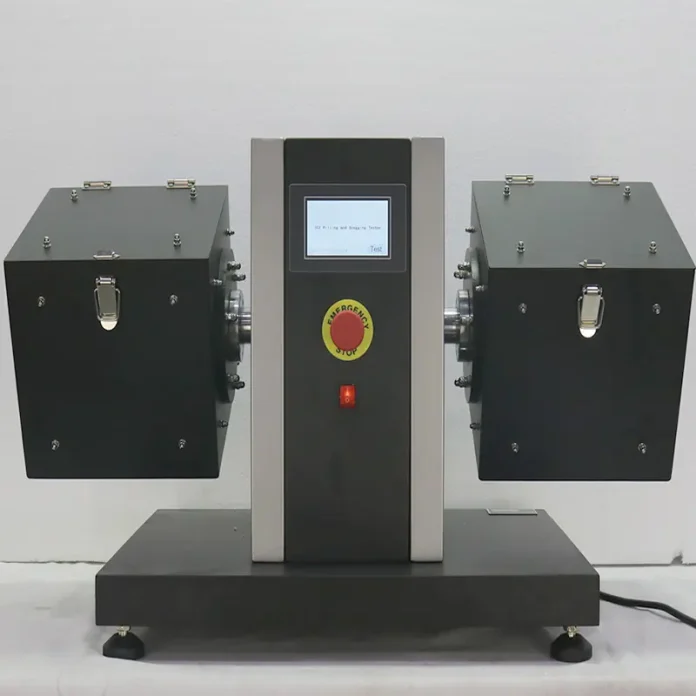


Fabric pilling is one of the most common issues affecting the appearance and perceived quality of textiles. Even fabrics with excellent strength can lose their appeal if they develop surface fuzz and pills after regular use. To evaluate this characteristic accurately, textile laboratories follow standardized testing procedures that produce reliable and repeatable results.
One of the most widely recognized techniques is the ici pilling box test method, which measures a fabric’s resistance to pilling under controlled laboratory conditions. By following international standards, manufacturers can ensure consistent testing, compare different fabrics objectively, and verify that products meet quality requirements before entering the market.
What Is the ICI Pilling Box Test Method?
The ICI Pilling Box Test Method is a standardized procedure used to determine how resistant a fabric is to pilling. During the test, fabric specimens are mounted on polyurethane tubes and placed inside cork-lined rotating boxes. As the boxes rotate, friction between the fabric and the cork surface simulates the wear that occurs during normal use.
After a specified number of rotations, the tested samples are compared with standard photographic references to determine the level of pilling.
Why International Standards Are Important
Following international standards ensures that pilling test results are accurate, repeatable, and comparable across different laboratories and manufacturers.
Standardized procedures help:
- Maintain consistent product quality
- Compare fabrics from different suppliers
- Meet customer and regulatory requirements
- Improve confidence in test results
- Support global textile trade
Using recognized standards also minimizes variations caused by different testing practices.
Common International Standards
Several organizations have established standards for performing the ICI Pilling Box Test.
ISO 12945-1
This international standard specifies the method for determining the pilling resistance of textile fabrics using the ICI Pilling Box.
BS 5811
This British Standard outlines testing procedures that are widely accepted throughout the textile industry and remain a common reference for pilling evaluation.
Customer Specifications
Many apparel brands and textile manufacturers develop their own testing protocols based on ISO or BS standards to meet specific product performance requirements.
Step-by-Step Testing Procedure
Following the proper testing sequence helps ensure accurate and repeatable results.
Step 1: Prepare the Test Specimens
Cut fabric samples according to the dimensions specified in the applicable testing standard. The specimens should be free from wrinkles, stains, or defects that could affect the outcome.
Step 2: Condition the Samples
Condition the fabric specimens in a controlled environment with specified temperature and humidity before testing. This reduces the influence of environmental conditions on the results.
Step 3: Mount the Fabric
Wrap each specimen smoothly around a polyurethane tube and secure it properly. Correct mounting ensures uniform contact during the testing process.
Step 4: Place the Samples in the Pilling Boxes
Insert the mounted specimens into the cork-lined rotating boxes. The cork lining provides consistent friction throughout the testing cycle.
Step 5: Perform the Test
Operate the machine for the required number of revolutions specified by the selected testing standard or customer requirement. Continuous rotation simulates the abrasion fabrics experience during everyday use.
Step 6: Evaluate the Samples
After testing, remove the specimens and examine them under standardized lighting conditions. Compare each sample with official photographic grading standards to determine its pilling resistance.
Understanding the Rating System
The ICI Pilling Box Test typically uses a five-grade evaluation system.
| Grade | Fabric Condition |
|---|---|
| Grade 5 | No visible pilling |
| Grade 4 | Slight pilling |
| Grade 3 | Moderate pilling |
| Grade 2 | Noticeable pilling |
| Grade 1 | Severe pilling |
A higher grade indicates better resistance to surface pilling and better appearance retention.
Factors That Influence Test Results
Several fabric properties can affect the outcome of the test.
Fiber Composition
Synthetic fibers often retain pills because of their strength, while natural fibers may release pills more easily after they form.
Yarn Structure
Yarns with higher twist levels usually produce fewer pills because fewer fibers protrude from the surface.
Fabric Construction
Knitted fabrics generally show more pilling than woven fabrics due to their flexible structure and greater fiber mobility.
Fabric Finishing
Treatments such as enzyme washing and anti-pilling finishes can significantly improve resistance to surface fuzzing.
Best Practices for Accurate Testing
To obtain dependable results, laboratories should follow standardized testing procedures throughout the evaluation.
Recommended practices include:
- Use calibrated testing equipment.
- Replace worn cork liners when necessary.
- Maintain proper temperature and humidity.
- Prepare specimens according to international standards.
- Train evaluators to apply grading consistently.
These practices improve the reliability and repeatability of the testing process.
Benefits of Following International Standards
Using internationally recognized testing methods provides several important advantages.
These include:
- Greater consistency between laboratories
- Reliable comparison of fabric performance
- Improved product development
- Better compliance with customer specifications
- Enhanced quality assurance throughout production
Standardized testing also helps manufacturers build confidence in their textile products.
Conclusion
The ICI Pilling Box Test Method is an essential procedure for evaluating fabric resistance to pilling according to internationally accepted standards. By following the correct preparation, testing, and grading procedures, manufacturers can obtain reliable results that accurately reflect fabric performance.
Incorporating standardized pilling tests into quality control programs allows textile producers to improve product durability, maintain consistent quality, and deliver fabrics that retain their appearance throughout their intended lifespan.