
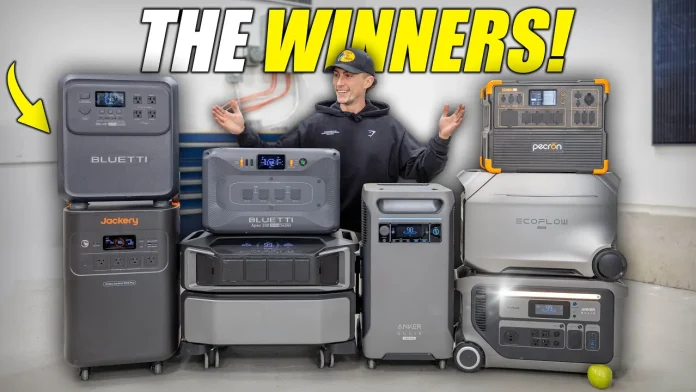


Unexpected power outages can disrupt daily routines, interrupt work, and affect the operation of essential household appliances. Whether caused by severe weather, utility maintenance, or grid failures, losing electricity can quickly become inconvenient or even dangerous. A portable power station offers a practical solution by providing reliable backup power without the noise, fuel requirements, or emissions associated with traditional generators.
Modern battery-powered systems are designed to deliver clean and dependable electricity for a variety of household devices. If you’re considering a portable power station for home backup, understanding how it supports essential appliances during an outage can help you choose the right solution for your emergency preparedness plan.
What Is a Portable Power Station?
A portable power station is a rechargeable battery system that stores electrical energy and supplies power through AC outlets, USB ports, and DC outputs. Unlike conventional generators, it operates quietly and does not require gasoline or diesel during use.
Most models include an inverter that converts stored DC power into AC electricity, making it compatible with many everyday household appliances and electronic devices.
Essential Appliances It Can Power
A portable power station can keep many important devices operating during short-term power interruptions.
Common examples include:
- LED lights
- Wi-Fi routers and modems
- Smartphones and tablets
- Laptop computers
- Desktop computers
- Televisions
- CPAP machines
- Small refrigerators
- Electric fans
The exact runtime depends on the battery capacity and the total power consumption of connected devices.
Maintaining Food Safety
One of the biggest concerns during a power outage is food preservation.
A portable power station can temporarily power a small refrigerator or freezer, helping maintain safe food storage temperatures until electricity is restored. This reduces the risk of food spoilage during short outages.
Always check the refrigerator’s running and startup wattage before connecting it to a portable power station.
Supporting Communication
Maintaining communication is essential during emergencies.
A portable power station allows you to keep critical communication devices powered, including:
- Smartphones
- Internet routers
- Wireless modems
- Emergency radios
- Tablets
This helps you stay informed about weather updates, emergency alerts, and utility restoration progress.
Enabling Remote Work
Many households rely on stable electricity for remote work and online learning.
During a blackout, a portable power station can support:
- Laptop charging
- Computer monitors
- Internet equipment
- Printers
- Desk lighting
This allows work and virtual meetings to continue with minimal interruption.
Providing Backup for Medical Devices
Reliable electricity is especially important for households using medical equipment.
Many portable power stations can provide temporary backup for devices such as:
- CPAP machines
- Medical monitoring equipment
- Certain oxygen concentrators with compatible power requirements
Before relying on any backup system, verify that the power station meets the specific voltage, wattage, and runtime requirements of the medical device.
Quiet and Indoor-Friendly Operation
Unlike fuel-powered generators, portable power stations produce virtually no operating noise and generate no exhaust emissions during use.
This makes them suitable for indoor environments such as:
- Homes
- Apartments
- Condominiums
- Garages with proper manufacturer guidance
Their quiet operation is particularly valuable during overnight outages.
Multiple Charging Options
A flexible charging system improves emergency preparedness.
Many portable power stations support:
- AC wall charging
- Solar panel charging
- Vehicle charging
- Generator charging when necessary
Solar charging can be especially useful during extended outages when grid electricity is unavailable.
Built-In Safety Features
Modern portable power stations include advanced protection systems designed to ensure safe operation.
Common safety features include:
- Battery Management System (BMS)
- Overcharge protection
- Over-discharge protection
- Short-circuit protection
- Overcurrent protection
- Temperature monitoring
These features help protect both the battery and connected appliances.
Choosing the Right Capacity
Not every household has the same backup power requirements.
When selecting a portable power station, consider:
- Number of devices to power
- Total wattage requirements
- Desired runtime
- Future expansion needs
Larger battery capacities provide longer operating times but typically increase the overall size and weight of the unit.
Tips for Efficient Emergency Power Use
To maximize battery runtime during an outage:
- Prioritize essential appliances over non-essential devices.
- Use energy-efficient LED lighting.
- Disconnect devices that are fully charged.
- Avoid running multiple high-power appliances simultaneously.
- Recharge the power station whenever a charging source becomes available.
Efficient energy management helps extend backup power when it is needed most.
Beyond Emergency Backup
A portable power station is useful even when the electrical grid is functioning normally.
It can also be used for:
- Camping trips
- RV travel
- Outdoor events
- Backyard gatherings
- Mobile workstations
- Photography and videography
- DIY projects
Its versatility makes it a valuable investment beyond emergency preparedness.
Conclusion
A portable power station for home backup provides a reliable source of electricity during unexpected outages, helping keep essential appliances, communication devices, and medical equipment operating when conventional power is unavailable. With quiet performance, indoor-safe operation, multiple charging options, and built-in safety features, it offers a practical alternative to traditional generators for many households.
By understanding your home’s energy needs and choosing a unit with sufficient battery capacity and output power, you can improve your emergency preparedness while ensuring greater comfort and convenience during power interruptions.