
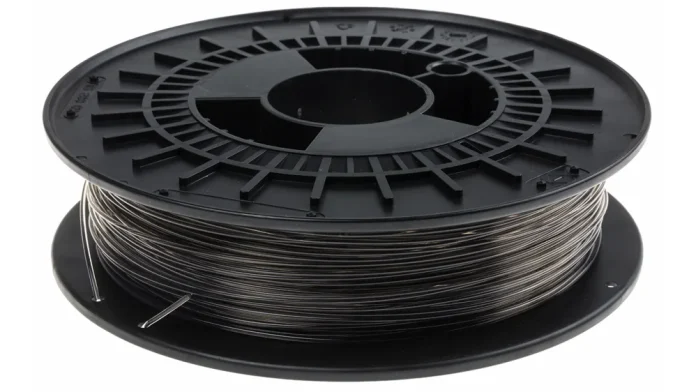


When it comes to 3D printing materials, PLA, ABS, and PETG are among the most commonly used filaments. Each material has its own strengths, limitations, and ideal applications. Understanding their differences can help you choose the right filament for your specific project.
PLA (Polylactic Acid) is often recommended for beginners due to its ease of use and low printing temperature. However, materials like PETG provide a more balanced combination of strength, flexibility, and durability. ABS, on the other hand, is known for its toughness and heat resistance but requires more controlled printing conditions.
Overview of PLA, ABS, and PETG
Before diving into comparisons, it’s helpful to understand what each material offers at a basic level.
PLA (Polylactic Acid)
PLA is a biodegradable thermoplastic derived from renewable resources like corn starch. It is widely used for simple prints, prototypes, and decorative items.
ABS (Acrylonitrile Butadiene Styrene)
ABS is a petroleum-based plastic known for its strength and durability. It is commonly used in automotive parts, electronics housings, and industrial components.
PETG (Polyethylene Terephthalate Glycol)
PETG combines the ease of PLA with the strength of ABS. It is durable, slightly flexible, and resistant to moisture and chemicals, making it highly versatile.
Key Differences Between PETG, PLA, and ABS
1. Printability
- PLA: Easiest to print, low warping, no heated enclosure required
- PETG: Moderately easy, minimal warping but requires fine-tuning
- ABS: More difficult, prone to warping, needs a heated enclosure
PLA is ideal for beginners, while PETG offers a good balance for users ready to step up. ABS is better suited for experienced users.
2. Strength and Durability
- PLA: Brittle and less impact-resistant
- PETG: Strong with slight flexibility, resistant to cracking
- ABS: Very strong and impact-resistant
PETG stands out as a middle-ground material that offers durability without excessive rigidity.
3. Temperature Resistance
- PLA: Low heat resistance, can deform around 60°C
- PETG: Moderate resistance, better than PLA
- ABS: High resistance, suitable for high-temperature environments
For parts exposed to heat, ABS is often the best choice, followed by PETG.
4. Flexibility
- PLA: Rigid and brittle
- PETG: Slightly flexible and resilient
- ABS: Moderate flexibility with toughness
PETG’s flexibility helps prevent breakage under stress, making it suitable for functional parts.
5. Surface Finish and Appearance
- PLA: Smooth finish, available in many colors
- PETG: Glossy finish, can be semi-transparent
- ABS: Matte finish, can be post-processed easily
PETG is often preferred for prints that require a clean, glossy appearance.
6. Chemical and Moisture Resistance
- PLA: Limited resistance
- PETG: Excellent resistance to moisture and chemicals
- ABS: Good resistance but less than PETG in some cases
PETG is a strong choice for outdoor or moisture-exposed applications.
Best Use Cases for Each Material
When to Use PLA
PLA is ideal for:
- Prototypes and models
- Decorative objects
- Educational projects
- Low-stress parts
It is best when ease of printing and visual quality are priorities.
When to Use PETG
PETG works well for:
- Functional mechanical parts
- Food-safe containers (depending on filament)
- Outdoor applications
- Protective covers and enclosures
Its durability and resistance make it suitable for real-world use.
When to Use ABS
ABS is best for:
- Automotive parts
- High-temperature applications
- Impact-resistant components
- Industrial prototypes
It is preferred when strength and heat resistance are critical.
Advantages and Limitations Summary
| Feature | PLA | PETG | ABS |
|---|---|---|---|
| Ease of Printing | Very Easy | Moderate | Difficult |
| Strength | Low | Medium-High | High |
| Flexibility | Low | Medium | Medium |
| Heat Resistance | Low | Medium | High |
| Warping | Minimal | Low | High |
Conclusion
Choosing between PLA, ABS, and PETG depends on your project requirements. PLA is perfect for simple and aesthetic prints, ABS is ideal for high-performance and heat-resistant parts, and PETG offers a balanced solution with strength, flexibility, and ease of use.
For many users, PETG serves as the best all-around material, especially when durability and reliability are important without the complexity of printing ABS.