
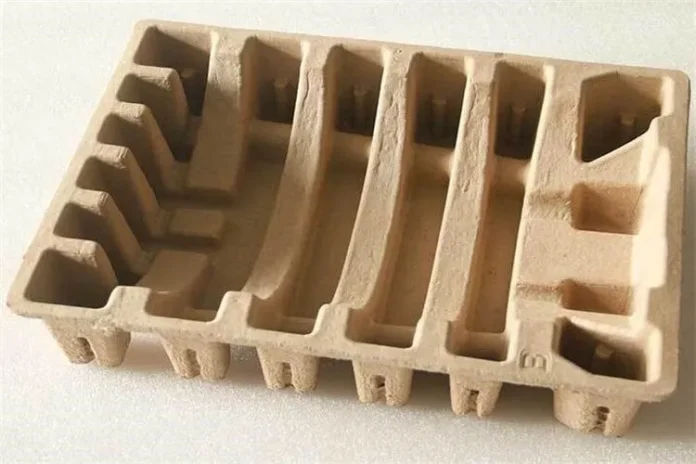


As global industries increasingly shift toward sustainable practices, packaging has become a major focus area for environmental improvement. Traditional plastic packaging is being replaced by eco-friendly alternatives that reduce waste, lower carbon emissions, and support circular economy principles. Among these alternatives, paper pulp packaging has gained significant attention for its versatility and sustainability.
In modern manufacturing systems, paper pulp packaging is widely adopted due to its strong performance, cost efficiency, and environmental benefits. In this context, paper pulp packaging plays a key role in helping industries transition toward greener packaging solutions.
Understanding Paper Pulp Packaging
Paper pulp packaging is made from recycled paper, cardboard, and natural fibers that are processed into a moldable material. This pulp is shaped into protective packaging products such as trays, inserts, and cushioning structures designed to secure products during storage and transportation.
Because it is derived from renewable and recycled materials, it is biodegradable, recyclable, and environmentally friendly, making it a preferred choice for sustainable packaging strategies.
Key Material Characteristics of Paper Pulp Packaging
The performance of paper pulp packaging is determined by its material properties. These characteristics make it suitable for a wide range of industrial applications.
1. Eco-Friendly Composition
Paper pulp packaging is primarily made from recycled fibers, reducing the need for virgin raw materials and helping minimize environmental impact.
2. Biodegradability
It naturally decomposes over time, making it a sustainable alternative to plastic and foam-based packaging.
3. Structural Strength
Despite being lightweight, molded pulp provides strong cushioning and protection against impact and vibration.
4. Custom Moldability
The material can be shaped into complex designs, allowing manufacturers to create packaging tailored to specific product requirements.
5. Lightweight Nature
Its low weight helps reduce transportation costs and improve logistics efficiency.
Manufacturing Process of Paper Pulp Packaging
The production of paper pulp packaging involves several carefully controlled stages to ensure quality and consistency.
Raw Material Collection and Preparation
The process begins with collecting recycled paper and fiber materials. These are sorted, cleaned, and prepared to remove impurities and ensure uniform quality.
Pulping Process
The cleaned materials are mixed with water and processed into a fiber slurry. This pulp forms the base material used in molding.
Molding and Shaping
The pulp is poured into precision-engineered molds that define the shape and structure of the final packaging product.
Drying and Solidification
Molded items are dried using heat or air systems to strengthen the fibers and maintain structural integrity.
Trimming and Finishing
Excess material is removed, and the final products are inspected to ensure consistency, durability, and quality standards.
How Manufacturing Technology Improves Efficiency
Modern production technologies have significantly improved the efficiency and quality of paper pulp packaging manufacturing. Automated molding systems, precision drying equipment, and digital design tools allow manufacturers to produce consistent, high-quality packaging at scale.
These advancements reduce material waste, improve production speed, and enhance overall product performance, making paper pulp packaging more accessible to global industries.
Applications Across Industries
Paper pulp packaging is widely used in industries that require both protection and sustainability.
Electronics Industry
Provides cushioning for fragile devices such as smartphones, laptops, and accessories.
Food and Beverage Industry
Used for trays and containers that ensure hygiene while reducing plastic usage.
Cosmetics Industry
Offers protective and visually appealing packaging for premium products.
Healthcare Industry
Ensures safe transportation of sensitive medical equipment.
E-commerce Sector
Reduces shipping damage and improves customer satisfaction through secure packaging.
Environmental Advantages
One of the most important benefits of paper pulp packaging is its positive environmental impact. It helps reduce plastic waste, lowers greenhouse gas emissions, and supports recycling systems.
Because it is made from renewable materials, it plays a key role in promoting circular economy practices and reducing reliance on non-renewable resources.
Lianpack’s Contribution to Sustainable Packaging
Companies like Lianpack are actively supporting the global shift toward sustainable packaging by developing advanced molded pulp solutions. Through efficient manufacturing processes and the use of recycled materials, they help businesses reduce environmental impact while maintaining strong packaging performance.
Their solutions enable industries to adopt eco-friendly packaging without compromising on quality or functionality.
Future Trends in Paper Pulp Packaging
The future of paper pulp packaging is expected to be shaped by continued innovation in materials and manufacturing technology. Manufacturers are exploring stronger fiber compositions, improved moisture resistance, and more efficient production systems.
Emerging trends include:
- Increased use of agricultural waste fibers
- Expansion of compostable packaging solutions
- Smarter automated manufacturing systems
- Enhanced durability for industrial applications
These developments will further strengthen the role of paper pulp packaging in global supply chains.
Conclusion
Paper pulp packaging is a sustainable and efficient alternative to traditional packaging materials. Its combination of environmental benefits, strong material characteristics, and manufacturing flexibility makes it highly suitable for modern industries.
As global demand for eco-friendly solutions continues to grow, companies like Lianpack are helping drive innovation and adoption through advanced molded fiber technologies. This evolution marks a significant step toward a more sustainable future in packaging.