
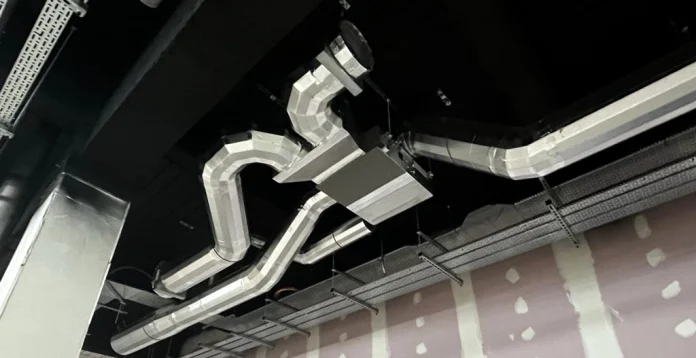


Pre-insulated ductwork has become a standard in modern HVAC systems due to its combination of thermal efficiency, durability, and ease of installation. Unlike traditional ducts, which require on-site insulation and additional protective layers, pre-insulated ductwork comes with factory-applied insulation and an outer protective jacket. This ensures consistent performance, reduces installation time, and minimizes the risk of errors during construction. Understanding the materials used in manufacturing these ducts is essential for engineers, contractors, and building owners who want to maximize system efficiency and longevity.
Pre-insulated ductwork typically consists of three main components: the inner duct, the insulation layer, and the outer protective jacket. Each component is made from materials selected for their specific properties, such as strength, thermal resistance, and moisture protection. Choosing high-quality materials is crucial to ensuring optimal airflow, durability, and energy efficiency. Manufacturers like pre insulated ductwork provide ducts designed to meet industry standards while using materials that enhance performance in both commercial and residential applications.
Inner Duct Materials
The inner duct serves as the primary conduit for air movement and must possess structural strength while remaining lightweight. Common materials used for the inner duct include galvanized steel, aluminum, and occasionally stainless steel for specialized applications. Galvanized steel is widely used due to its high strength, corrosion resistance, and cost-effectiveness. Aluminum is lighter, which makes handling and installation easier, and it offers excellent corrosion resistance as well. In high-humidity or corrosive environments, stainless steel may be used to prevent rust and ensure long-term durability. The choice of inner duct material affects the overall lifespan, maintenance requirements, and performance of the HVAC system.
Insulation Materials
The insulation layer in pre-insulated ductwork is essential for reducing thermal losses, controlling condensation, and improving energy efficiency. Several types of insulation materials are commonly used:
1. Polyurethane Foam: This is the most common insulation material in pre-insulated ducts due to its high thermal resistance, lightweight nature, and excellent adhesive properties. It is injected or applied in a uniform layer between the inner duct and outer jacket, ensuring complete coverage and minimizing gaps that could lead to heat loss.
2. Mineral Wool (Rock Wool): Mineral wool offers excellent thermal and acoustic insulation properties. It is also non-combustible, making it suitable for applications where fire safety is a concern. Mineral wool provides effective sound absorption, which helps reduce HVAC system noise while maintaining temperature control.
3. Polyisocyanurate (PIR) Foam: PIR foam provides high thermal resistance similar to polyurethane but with improved fire resistance and chemical stability. It is often used in applications where higher performance insulation is required, including commercial buildings and industrial environments.
Outer Jacket Materials
The outer jacket protects the insulation layer and inner duct from mechanical damage, moisture, UV exposure, and other environmental factors. The materials commonly used for the outer protective layer include:
1. Aluminum Foil: Aluminum is lightweight, durable, and resistant to corrosion. It provides excellent moisture and vapor barrier properties, helping prevent condensation within the insulation layer. Aluminum jackets are often laminated with additional coatings for enhanced durability.
2. PVC-Coated Fabric: For applications requiring flexibility, PVC-coated fabric is sometimes used as the outer jacket. This material provides water resistance, UV protection, and impact resistance, making it suitable for outdoor installations or areas where ducts may be exposed to mechanical stress.
3. Stainless Steel or Galvanized Steel: In high-stress or industrial environments, ducts may be encased in stainless steel or galvanized steel jackets. These materials offer superior mechanical protection and fire resistance, ensuring that insulation remains intact under demanding conditions.
Adhesives and Sealants
In addition to the primary materials, adhesives and sealants play a critical role in pre-insulated ductwork manufacturing. These substances bond the insulation layer to the inner duct and outer jacket, creating a continuous, airtight barrier. Proper adhesion prevents delamination, ensures thermal efficiency, and maintains the structural integrity of the duct. Sealants are also applied at joints and connections during installation to eliminate air leaks and optimize system performance.
Benefits of Material Selection
Selecting the right combination of materials for pre-insulated ducts impacts both short-term installation and long-term system efficiency. High-quality insulation materials improve thermal performance and reduce energy costs, while durable outer jackets protect against mechanical damage and environmental hazards. The choice of inner duct material affects strength, corrosion resistance, and ease of handling, all of which contribute to the overall reliability of the HVAC system.
Conclusion
Pre-insulated ductwork is a sophisticated solution that integrates carefully chosen materials to enhance energy efficiency, durability, and ease of installation. The inner duct, insulation layer, and outer protective jacket each play a critical role in ensuring optimal performance. Understanding the properties and advantages of materials such as galvanized steel, aluminum, polyurethane foam, mineral wool, and protective jackets allows contractors and engineers to select systems that meet specific project requirements. By choosing high-quality materials in pre-insulated ducts, building owners can ensure long-lasting HVAC efficiency, improved comfort, and lower operational costs.