
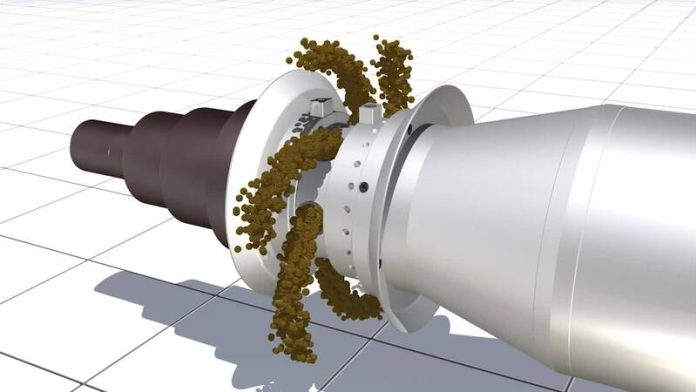


Choosing the right separation equipment is a critical decision for industries such as wastewater treatment, food processing, pharmaceuticals, chemicals, mining, and oil and gas. Industrial centrifuges play an essential role in improving efficiency, reducing processing time, and ensuring consistent product quality. However, selecting the most suitable machine requires careful evaluation of process requirements and equipment capabilities.
An industrial centrifuge must be matched precisely to the material characteristics and production goals to ensure optimal performance, energy efficiency, and long service life.
Understand Your Process Requirements
The first step in selecting the right centrifuge is clearly defining what you need to achieve.
Consider:
- Solid-liquid separation or liquid-liquid separation
- Batch or continuous operation
- Required throughput capacity
- Desired level of clarity or dryness
Different processes require different centrifuge designs, so understanding your objective is essential.
Analyze Material Properties
The nature of the material being processed has a direct impact on equipment selection.
Key properties include:
- Solid concentration
- Particle size distribution
- Liquid viscosity
- Density difference between phases
- Chemical compatibility
- Abrasiveness or corrosiveness
These factors help determine the appropriate centrifuge type and construction materials.
Choose the Right Centrifuge Type
Selecting the correct machine type is one of the most important decisions.
Decanter Centrifuge
Best suited for continuous separation of high-solid-content slurries.
Common applications:
- Wastewater treatment
- Mining and minerals
- Chemical processing
- Food production
Disc Stack Centrifuge
Ideal for liquid clarification and fine particle removal.
Common applications:
- Dairy and beverage processing
- Pharmaceutical production
- Biotechnology
Tubular Bowl Centrifuge
Used for high-speed precision separation of fine particles.
Common applications:
- Laboratory processes
- Specialized chemical separation
Evaluate Required Processing Capacity
Your selected centrifuge must handle current and future production demands.
Consider:
- Flow rate per hour
- Peak load variations
- Continuous operating requirements
- Expansion potential
Undersized equipment can create bottlenecks, while oversized systems may increase costs unnecessarily.
Consider Separation Efficiency
Efficiency depends on how well the machine separates materials under real operating conditions.
Key influencing factors include:
- Rotational speed
- Bowl design
- Feed consistency
- Retention time
- Control system accuracy
Higher efficiency improves product quality and reduces waste.
Assess Construction and Material Quality
Industrial environments often expose equipment to harsh conditions.
Look for:
- Stainless steel construction
- Wear-resistant linings
- Corrosion protection
- High-quality bearings and seals
Durable construction ensures longer equipment life and lower maintenance costs.
Review Energy Consumption
Energy efficiency has a significant impact on long-term operating costs.
Modern centrifuges often include:
- Efficient drive systems
- Optimized bowl geometry
- Automated speed control
Lower energy usage improves overall process economics.
Examine Automation Features
Advanced control systems can greatly improve operational stability.
Useful features include:
- Real-time monitoring
- Automated feed control
- Vibration and temperature sensors
- Digital control panels
Automation reduces manual intervention and improves consistency.
Evaluate Maintenance Requirements
Maintenance accessibility and frequency should be considered early in the selection process.
Check for:
- Ease of disassembly
- Spare parts availability
- Recommended service intervals
- Cleaning requirements
Simpler maintenance reduces downtime and operational disruption.
Consider Manufacturer Support
Reliable technical support is essential for long-term success.
A good supplier should offer:
- Installation guidance
- Operator training
- Spare parts supply
- Technical troubleshooting
- After-sales service
Strong support ensures stable performance over time.
Compare Total Cost of Ownership
The purchase price is only part of the investment.
Also evaluate:
- Energy consumption
- Maintenance expenses
- Spare parts costs
- Equipment lifespan
- Downtime risks
A more efficient machine often provides better long-term value.
Conclusion
Selecting the right industrial centrifuge requires a comprehensive understanding of your process needs, material properties, capacity requirements, and long-term operational goals. By carefully evaluating centrifuge type, efficiency, construction quality, and support services, businesses can ensure reliable performance and cost-effective operation.
A properly chosen industrial centrifuge not only improves separation efficiency but also enhances productivity, reduces operational costs, and supports sustainable industrial growth.