
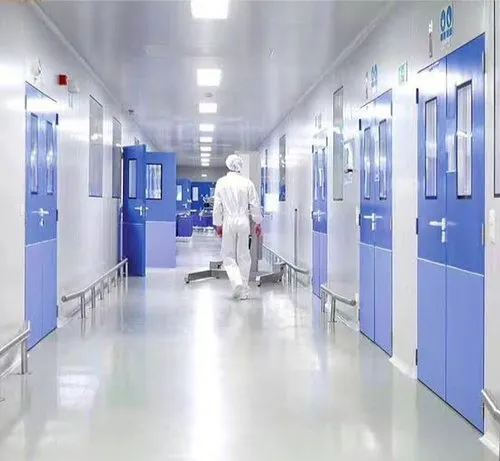


Cleanroom facilities are among the most technically demanding environments in modern manufacturing. They require precise control over airborne particles, temperature, humidity, and pressure to ensure product integrity and regulatory compliance. Because of these strict requirements, cleanroom projects involve multiple engineering disciplines and highly specialized systems, which directly influence overall project cost.
Industries such as pharmaceuticals, biotechnology, semiconductors, and medical device manufacturing rely heavily on cleanrooms to maintain production quality. As demand grows for faster and more efficient facility delivery, many organizations are adopting integrated project approaches to simplify execution and control costs more effectively.
A Turnkey Cleanroom provides a fully managed solution where design, engineering, construction, installation, and validation are handled under a single coordinated system. While this approach offers efficiency and reduced complexity, the total project cost is influenced by several key factors that must be carefully evaluated during planning.
Cleanroom Classification and Compliance Requirements
One of the most significant cost drivers is the required cleanroom classification. Higher cleanliness levels demand more advanced systems, tighter environmental control, and stricter validation processes.
Cost increases are typically associated with:
- ISO Class 5 or higher cleanrooms requiring advanced filtration
- GMP-compliant pharmaceutical environments
- Stringent particle and microbial control standards
- Extensive documentation and validation requirements
The stricter the regulatory standard, the more complex and expensive the system becomes.
Design Complexity and Engineering Scope
The design phase plays a major role in determining overall project cost. Complex workflows, specialized production processes, and advanced equipment integration increase engineering requirements.
Key cost-related design factors include:
- HVAC system design and airflow modeling
- Pressure zoning and contamination control planning
- Equipment layout and workflow optimization
- Integration of specialized production machinery
More complex designs require additional engineering hours, simulation tools, and coordination efforts, which can increase overall costs.
Materials and Construction Specifications
Material selection is another major factor influencing cleanroom cost. All materials must meet strict cleanliness, durability, and contamination control standards.
Common cost-impacting materials include:
- High-performance wall and ceiling panel systems
- Anti-static and chemical-resistant flooring
- Stainless steel fixtures and fittings
- Sealed, non-shedding surface finishes
Premium-grade materials designed for high-performance environments typically increase upfront costs but improve long-term durability and compliance.
HVAC and Environmental Control Systems
Heating, ventilation, and air conditioning systems are among the most expensive components of a cleanroom project. These systems are essential for maintaining air quality and stable environmental conditions.
Key cost drivers include:
- HEPA or ULPA filtration systems
- Air handling unit (AHU) capacity and complexity
- Temperature and humidity control precision
- Pressure differential control systems
Higher-performance HVAC systems significantly increase costs but are essential for maintaining compliance in regulated industries.
Automation and Monitoring Technology
Modern cleanrooms often include advanced monitoring and automation systems that continuously track environmental conditions. These systems improve compliance but add to overall project costs.
Typical systems include:
- Real-time particle monitoring systems
- Environmental sensors for temperature and humidity
- Building Management Systems (BMS)
- Automated alarm and control systems
The more advanced the monitoring system, the higher the integration and equipment costs.
Modular vs. Traditional Construction Approach
Construction methodology also impacts total project cost. Modular cleanroom systems are often more cost-efficient in the long term due to reduced installation time and improved quality control.
Cost differences include:
- Modular systems reduce on-site labor and construction time
- Traditional builds may require longer installation periods
- Prefabrication improves accuracy but increases manufacturing costs upfront
- Modular systems allow easier future expansion
While modular construction may have higher initial component costs, it often reduces overall project duration and operational downtime.
Validation and Regulatory Documentation
Validation is a critical cost component in regulated industries. Ensuring compliance with ISO or GMP standards requires detailed testing and documentation.
Key validation-related costs include:
- Installation Qualification (IQ) procedures
- Operational Qualification (OQ) testing
- Performance Qualification (PQ) validation
- Environmental monitoring and certification reports
These processes are essential for regulatory approval and cannot be avoided in controlled manufacturing environments.
Project Management and Integration Efficiency
Even in turnkey delivery models, project management plays an important role in controlling cost efficiency. A single coordinated system helps reduce unnecessary expenses caused by miscommunication or design errors.
Cost-saving advantages include:
- Reduced coordination between multiple contractors
- Fewer design revisions and rework cycles
- Streamlined procurement and scheduling
- Improved project timeline control
Effective integration helps minimize delays and avoid unexpected cost overruns.
Conclusion
The cost of a cleanroom project is influenced by multiple interconnected factors, including compliance requirements, design complexity, material selection, HVAC systems, and validation processes. Each element contributes to the overall investment required to build a fully functional controlled environment.
By consolidating all phases under a unified system, a Turnkey Cleanroom approach helps improve cost efficiency, reduce coordination challenges, and ensure consistent quality throughout the project lifecycle. While initial costs may vary depending on specifications, the long-term benefits in reliability, compliance, and operational efficiency make it a highly effective solution for modern manufacturing industries.