
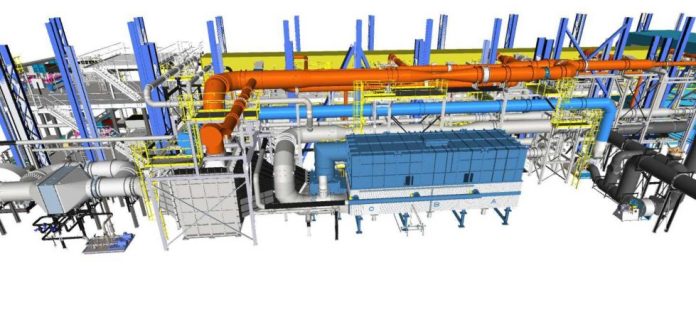


The demand for pre-painted and corrosion-resistant aluminum products has grown rapidly across several industries. Manufacturers rely on advanced coating systems to improve durability, appearance, and production efficiency. An aluminum coil coating process allows continuous treatment and painting of aluminum sheets before they are fabricated into finished products, helping companies achieve consistent quality at large production volumes.
Modern production facilities use specialized equipment to streamline surface preparation, coating, curing, and inspection. A well-designed aluminum coil coating line ensures uniform coating thickness, strong adhesion, and long-lasting surface performance. These systems are widely adopted in construction, transportation, electronics, and packaging industries where coated aluminum products are essential for both functionality and visual appeal.
What Is an Aluminum Coil Coating Line?
An aluminum coil coating line is an industrial production system designed to apply protective and decorative coatings to continuous aluminum strips. The process is automated and operates at high speed, enabling manufacturers to coat large volumes of material with precision.
The line typically handles several stages in sequence, including cleaning, chemical pretreatment, primer application, top coating, curing, and rewinding. Since the process is continuous, it minimizes downtime and improves manufacturing efficiency compared to batch coating methods.
Key Stages of the Coil Coating Process
1. Coil Loading and Uncoiling
The process begins by loading raw aluminum coils onto the line. The coil is unwound carefully to maintain tension and prevent surface damage during production.
2. Cleaning and Surface Preparation
Proper surface cleaning is essential for coating adhesion. Oils, dust, and contaminants are removed using chemical cleaners and water rinsing systems. Some lines also include brushing units to improve surface uniformity.
3. Chemical Pretreatment
Pretreatment enhances corrosion resistance and ensures strong bonding between the metal and the coating layer. This stage often uses chromate-free or environmentally friendly conversion coatings to meet modern environmental standards.
4. Primer and Topcoat Application
After pretreatment, primer coatings are applied to improve adhesion and durability. The topcoat provides color, texture, and weather resistance. Roller coating technology is commonly used because it delivers even coating thickness across the aluminum strip.
5. Curing Process
The coated aluminum passes through curing ovens where heat hardens the paint layers. Proper curing ensures coating stability, scratch resistance, and long-term durability.
6. Inspection and Recoiling
The final stage includes quality inspection for color consistency, coating thickness, and surface defects. Once approved, the coated aluminum is recoiled for storage or further processing.
Advantages of Coil Coating Technology
Continuous coil coating offers several operational and product-quality benefits. Manufacturers choose this technology because it supports both high productivity and consistent finishing standards.
Some major advantages include:
- Uniform coating thickness and appearance
- Faster production speeds
- Reduced material waste
- Improved corrosion resistance
- Better energy efficiency
- Lower labor requirements through automation
These advantages make coil coating an economical solution for large-scale aluminum processing operations.
Industrial Applications of Coated Aluminum
Coated aluminum coils are widely used in industries that require lightweight, durable, and visually appealing materials.
Construction Industry
The building sector is one of the largest users of coated aluminum. Roofing panels, wall cladding, ceilings, gutters, and facades often use pre-painted aluminum because of its weather resistance and design flexibility.
Transportation Sector
Automotive, railway, and aerospace manufacturers use coated aluminum for lightweight structural components and interior panels. The coating improves corrosion protection while reducing overall vehicle weight.
Home Appliances
Many household appliances use coated aluminum surfaces for durability and aesthetics. Refrigerators, washing machines, air conditioners, and kitchen equipment commonly incorporate pre-coated aluminum sheets.
Packaging Applications
Food and beverage packaging industries also benefit from coated aluminum materials. The coatings help maintain product safety while improving visual presentation.
Importance of Automation in Modern Coil Coating Lines
Automation has become a major factor in improving production reliability and quality control. Modern systems integrate sensors, programmable controls, and digital monitoring technologies to optimize each stage of the process.
Automated monitoring can detect coating irregularities, temperature fluctuations, and surface defects in real time. This reduces production errors and minimizes downtime while improving overall operational efficiency.
In addition, data-driven systems help manufacturers maintain consistent quality standards and reduce operating costs over long production cycles.
Environmental Considerations
Environmental regulations continue to influence coating technologies worldwide. Many manufacturers now adopt eco-friendly coating materials and energy-efficient curing systems to reduce emissions and waste generation.
Water-based coatings, low-VOC paints, and chromate-free pretreatment systems are increasingly common in modern facilities. These improvements support sustainability goals while maintaining high coating performance.
Energy recovery systems are also being integrated into industrial ovens to improve fuel efficiency and reduce operating expenses.
Conclusion
An aluminum coil coating line plays a critical role in modern metal processing industries by delivering efficient, high-quality surface finishing solutions. Through continuous automation, advanced coating technologies, and precise quality control, manufacturers can produce durable and visually consistent aluminum products for a wide range of applications.
As industries continue demanding lightweight and corrosion-resistant materials, coil coating systems will remain an essential part of industrial manufacturing. Ongoing advancements in automation, sustainability, and coating performance are expected to further improve production efficiency and environmental compliance in the years ahead.