
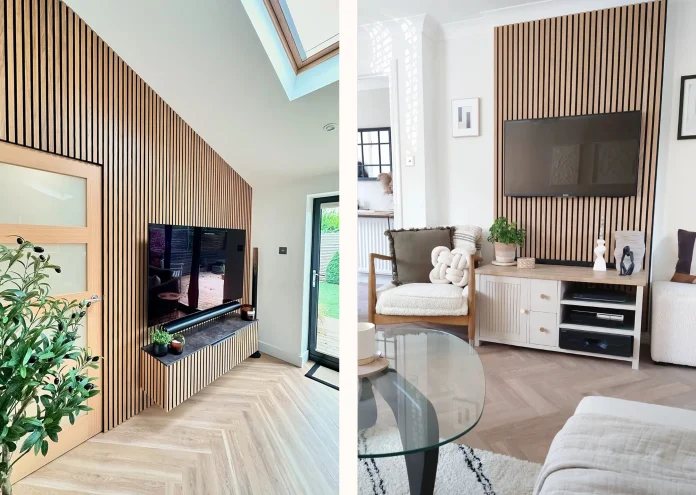


Acoustic performance has become a defining factor in the design of modern buildings, especially in environments where communication, productivity, and comfort are priorities. Offices, recording studios, and public facilities all face challenges related to noise control, echo reduction, and sound clarity. Acoustic panels offer a practical solution by improving the internal sound environment without requiring structural modifications.
Working with a reliable acoustic panels supplier allows architects, designers, and contractors to access a wide range of acoustic products tailored for different applications. These suppliers typically provide panels in various materials, finishes, and performance levels, making it easier to match acoustic solutions with project requirements and interior design goals.
The Role of Acoustic Panels in Modern Spaces
Acoustic panels are designed to absorb sound energy and reduce unwanted reflections within a room. In spaces with hard surfaces such as glass, concrete, or metal, sound waves tend to bounce repeatedly, creating echoes and reducing clarity. Acoustic panels help minimize this effect by absorbing mid and high-frequency sound waves.
Unlike full soundproofing systems, which block sound from entering or leaving a space, acoustic panels improve the quality of sound inside the room itself. This makes them ideal for environments where speech intelligibility, focus, or audio precision is important.
Acoustic Solutions for Office Environments
Modern offices, particularly open-plan layouts, often struggle with noise distractions. Conversations, phone calls, and office equipment can create a constant background sound that affects concentration and productivity.
Acoustic panels help solve these issues by creating controlled sound zones within open spaces. Common applications include:
- Meeting rooms where clear communication is essential
- Workstations to reduce distractions between employees
- Reception areas to manage visitor noise
- Collaborative spaces where balanced acoustics improve interaction
By strategically placing panels on walls and ceilings, offices can achieve a quieter and more efficient working environment without major structural changes.
Acoustic Treatments for Recording Studios
Recording studios require highly controlled sound environments. Even minor reflections or background noise can affect audio quality during recording and mixing processes. Acoustic panels are essential in shaping the sound characteristics of these spaces.
Studio environments often use a combination of wall panels, bass traps, and ceiling absorbers to control different frequency ranges. Foam-based and fabric-wrapped fiberglass panels are commonly used because of their strong absorption properties.
Key goals in studio acoustic design include:
- Eliminating echo and flutter reflections
- Achieving balanced frequency response
- Enhancing clarity for recording and monitoring
- Preventing sound distortion during playback
Proper acoustic treatment ensures that recordings are accurate and professional in quality.
Public Spaces and Large Venue Applications
Public spaces such as airports, shopping malls, restaurants, and transportation hubs face unique acoustic challenges due to their size and high occupancy levels. Noise levels in these environments can become overwhelming without proper sound management.
Acoustic panels in public spaces are typically designed for durability, large-scale coverage, and aesthetic integration. Ceiling baffles and suspended acoustic clouds are often used in high-ceiling environments to control reverberation effectively.
Common benefits in public environments include:
- Reduced ambient noise levels
- Improved speech clarity in announcements
- Enhanced visitor comfort
- Better overall acoustic balance in large areas
In hospitality spaces like restaurants and hotels, acoustic treatment also contributes to a more pleasant guest experience by allowing conversations without excessive background noise.
Materials and Design Considerations
Selecting the right acoustic solution involves evaluating both performance and design requirements. Different materials offer varying levels of sound absorption and visual appeal.
Common material options include:
- Polyester fiber panels for eco-friendly and lightweight applications
- Fabric-wrapped fiberglass panels for high-performance sound absorption
- Wooden acoustic panels for decorative and architectural integration
- Foam panels for cost-effective studio treatment
Design flexibility is also important. Many modern acoustic systems are available in customizable shapes, colors, and patterns, allowing them to blend seamlessly into interior designs rather than appearing purely functional.
Performance Factors to Evaluate
When choosing acoustic solutions, several technical factors should be considered to ensure optimal results:
Sound Absorption Rating
The Noise Reduction Coefficient (NRC) indicates how effectively a panel absorbs sound. Higher NRC values generally provide better acoustic control.
Installation Method
Panels can be wall-mounted, ceiling-mounted, or suspended. The choice depends on room size, layout, and acoustic requirements.
Fire Safety Compliance
In commercial and public buildings, materials must meet fire resistance standards to ensure safety compliance.
Durability and Maintenance
High-traffic areas require panels that can withstand wear, moisture, and occasional impact without losing performance.
The Growing Importance of Acoustic Design
As architectural trends continue to favor open spaces, minimalist interiors, and hard surface materials, acoustic challenges have become more common. This has increased the demand for effective sound control solutions across multiple industries.
At the same time, greater awareness of workplace wellness and user experience has made acoustic comfort a priority in building design. Businesses now recognize that good acoustics directly influence productivity, customer satisfaction, and overall environmental quality.
Conclusion
Acoustic panels play a vital role in shaping the sound environment of offices, studios, and public spaces. By reducing noise, improving clarity, and enhancing comfort, they contribute significantly to the functionality of modern interiors.
With a wide range of materials, designs, and performance options available, selecting the right solution requires careful planning and expert guidance. As demand continues to grow, acoustic treatment remains an essential component of contemporary architectural and interior design strategies.