
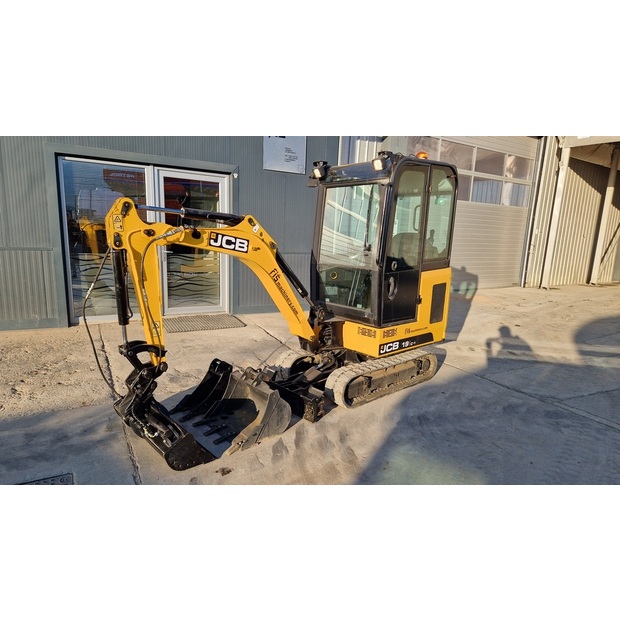


Electric and diesel excavators both play an important role in modern construction, but they differ significantly in performance characteristics, operating costs, and environmental impact. As the industry shifts toward more sustainable solutions, electric mini excavators are becoming a strong alternative for many applications, especially in urban and residential environments.
When comparing an electric mini excavator with a diesel model, it is important to evaluate key factors such as efficiency, maintenance, fuel usage, and job site suitability to determine which option best fits project needs.
Performance Comparison
Diesel excavators have traditionally been known for their high power output and ability to handle heavy-duty tasks. They are often preferred for large-scale construction sites and demanding excavation work where continuous high power is required.
Electric mini excavators, on the other hand, deliver consistent torque and smooth operation. While they may not always match the raw power of large diesel machines, they excel in precision work, light to medium excavation, and confined job sites.
Key performance differences include:
- Diesel: Higher peak power and suitability for heavy workloads
- Electric: Smooth torque delivery and precise control
- Diesel: Better for long, continuous heavy-duty cycles
- Electric: Ideal for urban, indoor, and restricted environments
Cost Comparison
Operating cost is one of the biggest differences between the two machine types. Diesel excavators rely on fuel, which can fluctuate in price and significantly impact long-term expenses.
Electric mini excavators operate on rechargeable batteries, which typically result in lower and more predictable energy costs.
Operating cost factors:
- Fuel vs electricity pricing
- Maintenance frequency
- Downtime due to servicing
- Long-term component replacement
Diesel machines often have higher ongoing expenses due to fuel consumption and engine maintenance, while electric models reduce these costs substantially.
Maintenance Requirements
Maintenance is another major factor when comparing the two types of excavators.
Diesel excavators require regular servicing, including oil changes, fuel system maintenance, and engine inspections. These requirements increase downtime and long-term operational costs.
Electric mini excavators have fewer moving parts, which reduces maintenance needs.
Maintenance comparison:
- Diesel: Frequent oil, filter, and engine servicing required
- Electric: Minimal engine-related maintenance
- Diesel: Higher risk of mechanical wear over time
- Electric: Simplified system with fewer failure points
This difference makes electric machines more efficient in terms of lifecycle upkeep.
Environmental Impact
Environmental considerations are increasingly influencing equipment selection in construction projects.
Diesel excavators produce exhaust emissions, including carbon dioxide and particulate matter, which contribute to air pollution and climate impact. This can also restrict their use in certain urban zones.
Electric mini excavators produce zero direct emissions during operation, making them more suitable for environmentally sensitive or regulated areas.
Noise and Job Site Suitability
Noise levels are another important distinction between the two machine types.
Diesel excavators generate higher noise due to combustion engines, which can be disruptive in residential or urban environments.
Electric models operate much more quietly, making them ideal for:
- Residential construction
- Indoor demolition work
- Urban infrastructure projects
- Nighttime or noise-restricted zones
This difference often determines where each machine can legally or practically be used.
Operational Efficiency
Electric mini excavators provide smoother operation with immediate torque response, which improves precision in tasks such as trenching, landscaping, and utility installation.
Diesel excavators are generally better suited for continuous heavy-duty excavation but may experience performance fluctuations under varying load conditions.
Efficiency comparison highlights:
- Electric: Faster response and smoother control
- Diesel: Strong sustained power for heavy workloads
- Electric: Reduced downtime due to simpler systems
- Diesel: Better suited for remote or fuel-abundant sites
Cost and Performance Overview Chart
Below is a simple comparison of key factors between electric mini excavators and diesel excavators:
Conclusion
Both electric and diesel excavators have clear strengths depending on the application. Diesel machines remain strong in heavy-duty, large-scale construction environments, while electric mini excavators offer clear advantages in efficiency, maintenance, environmental impact, and urban usability.
For contractors and buyers evaluating an electric mini excavator for sale, the decision often comes down to project type and operating priorities. As construction trends continue shifting toward sustainability and efficiency, electric models are becoming an increasingly practical and future-ready choice for many job sites.