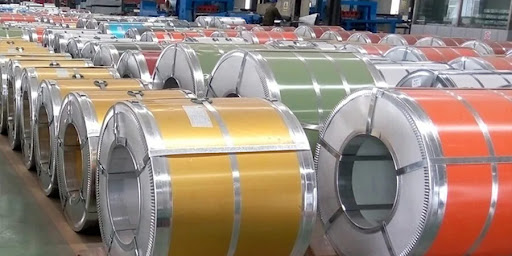


Selecting and configuring the right equipment is one of the most important steps in designing an efficient coil coating facility. The performance of the entire production system depends on how well each component is matched to production requirements, material specifications, and coating objectives. Poor equipment selection can lead to bottlenecks, quality issues, and higher operational costs.
A modern aluminum coil coating line is a complex system made up of interconnected units that must operate in perfect synchronization. From uncoilers to curing ovens and recoilers, every piece of equipment plays a specific role in ensuring stable, high-quality continuous production.
Understanding System Requirements Before Selection
Before selecting equipment, manufacturers must clearly define production goals and technical requirements. These requirements determine the type, capacity, and configuration of the coil coating line.
Key considerations include:
- Annual production capacity targets
- Coil width and thickness range
- Type of coating materials used
- Required surface finishes
- Level of automation needed
A clear understanding of these factors ensures that the selected system is neither underpowered nor overdesigned for the intended application.
Uncoiling and Entry Section Equipment
The entry section is responsible for feeding raw aluminum coils into the production line. Proper selection of uncoiling equipment is essential for maintaining stable tension and preventing surface damage.
Common components include:
- Single or double mandrel uncoilers
- Entry guiding systems
- Tension control units
- Coil car loading systems
A well-designed entry section ensures smooth coil feeding and reduces the risk of material deformation or misalignment.
Cleaning and Pretreatment System Configuration
Surface preparation equipment plays a critical role in coating quality. The configuration of cleaning and pretreatment systems must match the type of contaminants and required surface standards.
Typical equipment includes:
- Degreasing tanks and spray systems
- Brushing and rinsing units
- Chemical conversion coating sections
- Drying ovens for surface stabilization
Proper configuration ensures that aluminum surfaces are fully prepared for coating adhesion and corrosion resistance.
Coating Application Unit Selection
The coating section is the core of the entire coil coating line. Equipment selection here directly impacts coating quality, thickness control, and material efficiency.
Key equipment types include:
- Roller coating machines
- Metering and application rollers
- Coating circulation systems
- Viscosity control units
Precision is critical in this section, as even small variations can affect final product performance and appearance.
Curing Oven Design and Configuration
Curing ovens are among the most energy-intensive and technically important parts of a coil coating line. Their configuration must ensure uniform heating and efficient energy use.
Important design elements include:
- Multi-zone heating systems
- Air circulation and exhaust control
- High-efficiency insulation materials
- Temperature monitoring sensors
Proper oven configuration ensures consistent curing quality and prevents defects such as undercuring or overheating.
Cooling and Exit Section Equipment
After curing, the coated aluminum must be cooled and stabilized before recoiling. Cooling systems prevent surface damage and ensure coating hardness is properly set.
Typical components include:
- Air or water cooling units
- Cooling rollers
- Surface inspection systems
- Edge guiding mechanisms
A stable exit section helps maintain coating integrity and prepares the material for further processing or packaging.
Recoiling and Final Handling Systems
Recoiling equipment must be carefully selected to ensure smooth winding of coated aluminum without surface damage. Proper tension control is essential in this stage.
Key components include:
- Precision recoilers
- Tension control systems
- Coil wrapping and packaging units
- Automated coil unloading systems
Good recoiling systems help protect finished products during storage and transportation.
Automation and Control System Integration
Modern coil coating lines rely heavily on centralized control systems to coordinate all equipment. Proper integration ensures smooth communication between different sections of the line.
Key control components include:
- PLC-based control systems
- Human-machine interface (HMI) panels
- Sensor networks for real-time monitoring
- Automated feedback control loops
Integrated automation improves consistency and reduces operator dependency.
Energy Efficiency and Utility Systems
Equipment selection must also consider energy consumption and utility requirements. Efficient systems help reduce operational costs and environmental impact.
Important utility systems include:
- Heat recovery units in curing ovens
- Energy-efficient motors and drives
- Optimized air handling systems
- Chemical recycling and filtration systems
Energy-efficient configuration contributes to long-term operational sustainability.
Maintenance and Service Accessibility
When selecting equipment, ease of maintenance is often overlooked but highly important. Machines should be designed for easy access, inspection, and repair.
Key considerations include:
- Modular equipment design
- Easy replacement of wear parts
- Accessible maintenance platforms
- Clear diagnostic systems
Good maintenance design reduces downtime and improves long-term reliability.
Conclusion
Equipment selection and configuration play a decisive role in the performance of a coil coating facility. Every component, from entry systems to curing ovens and recoilers, must be carefully chosen and integrated to ensure stable, efficient, and high-quality production.
A well-designed aluminum coil coating line depends on balanced equipment configuration, advanced automation, and energy-efficient systems. When all elements are properly aligned, manufacturers can achieve consistent output, reduced operational costs, and long-term production reliability.