
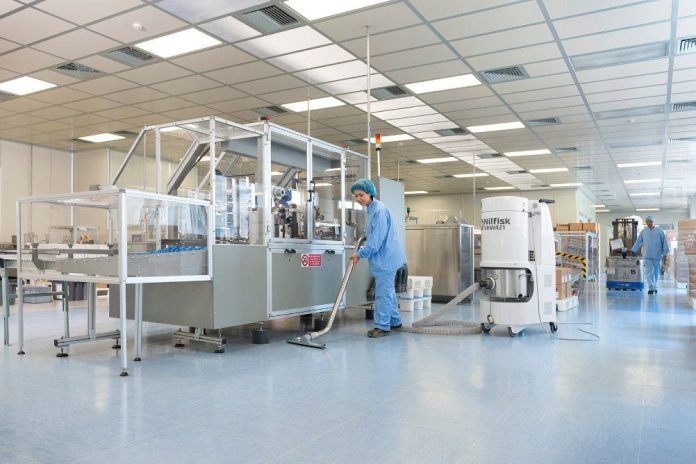


Cleanrooms are highly engineered environments used in industries such as pharmaceuticals, biotechnology, semiconductors, and medical devices. Because they require strict control over air quality, pressure, temperature, and contamination levels, their design and construction involve multiple technical disciplines and regulatory checks.
Delivering such a facility is not a quick construction task—it is a carefully structured process that follows a defined timeline from planning to final validation. Understanding this timeline helps manufacturers set realistic expectations and plan production schedules more effectively.
A Cleanroom Turnkey Project follows a complete end-to-end delivery model, where a single provider manages all phases of development, ensuring coordination, efficiency, and compliance throughout the project lifecycle.
Phase 1: Initial Consultation and Requirement Analysis (1–3 Weeks)
The first stage focuses on understanding the client’s operational needs and regulatory requirements. This phase is critical because it defines the foundation for the entire project timeline.
Key activities include:
- Defining cleanroom classification (ISO or GMP level)
- Reviewing production processes and equipment needs
- Evaluating facility layout and space constraints
- Identifying compliance requirements
This stage typically takes 1 to 3 weeks depending on project complexity and industry regulations.
Phase 2: Concept Design and Planning (2–4 Weeks)
Once requirements are confirmed, engineers develop the initial cleanroom concept and layout design. This phase translates operational needs into a structured system plan.
Key deliverables include:
- Cleanroom zoning and layout design
- Airflow and pressure cascade planning
- Equipment positioning and workflow design
- Preliminary HVAC system configuration
For most projects, this phase takes around 2 to 4 weeks, depending on customization needs.
Phase 3: Detailed Engineering and Final Design (3–6 Weeks)
After concept approval, detailed engineering begins. This stage involves precise technical design of all systems to ensure performance and compliance.
Engineering tasks include:
- HVAC system sizing and air filtration design
- Temperature, humidity, and pressure control systems
- Electrical and utility integration design
- Selection of materials and cleanroom components
This phase is often one of the most detailed and can take 3 to 6 weeks depending on system complexity.
Phase 4: Manufacturing and Prefabrication (4–10 Weeks)
Once designs are finalized, modular components are manufactured in controlled factory environments. This step ensures precision, consistency, and quality control before on-site installation.
Typical manufactured components include:
- Wall and ceiling panel systems
- Cleanroom doors and windows
- Air handling and filtration units
- Structural framing systems
The manufacturing timeline varies based on project size but generally takes 4 to 10 weeks.
Phase 5: On-Site Installation and Assembly (3–8 Weeks)
After fabrication, components are transported to the site for installation. This phase involves assembling the cleanroom structure and integrating all mechanical and electrical systems.
Key installation tasks include:
- Modular panel assembly
- HVAC system installation and ductwork
- Electrical and utility connections
- Sealing and contamination control finishing
Installation typically takes 3 to 8 weeks depending on cleanroom size and complexity.
Phase 6: System Commissioning and Testing (2–4 Weeks)
Once installation is complete, systems are tested to ensure proper performance. This stage verifies that all environmental conditions meet design specifications.
Commissioning activities include:
- Airflow pattern validation
- HEPA/ULPA filtration testing
- Temperature and humidity control verification
- Pressure differential checks
This phase usually takes 2 to 4 weeks.
Phase 7: Validation and Compliance Certification (2–5 Weeks)
Validation ensures that the cleanroom meets regulatory requirements such as ISO standards or GMP guidelines. This is a critical step before the facility can become operational.
Key validation steps include:
- Installation Qualification (IQ)
- Operational Qualification (OQ)
- Performance Qualification (PQ)
- Environmental monitoring and particle testing
Depending on regulatory complexity, this phase takes 2 to 5 weeks.
Phase 8: Final Handover and Operational Readiness (1–2 Weeks)
After successful validation, the cleanroom is officially handed over to the client. At this stage, all documentation and training materials are provided.
Deliverables include:
- System operation manuals
- Compliance and validation reports
- Maintenance guidelines
- Equipment specifications
This final stage typically takes 1 to 2 weeks.
Overall Project Timeline Summary
A typical Cleanroom Turnkey Project can take anywhere from 4 to 8 months from initial consultation to final handover. The exact duration depends on factors such as:
- Cleanroom classification level
- Project size and complexity
- Regulatory requirements
- Level of customization
Smaller modular cleanrooms may be completed faster, while large pharmaceutical or semiconductor facilities may require longer timelines.
Conclusion
Understanding the timeline of a Cleanroom Turnkey Project is essential for effective planning and production scheduling. Each phase—from design and engineering to installation and validation—plays a critical role in ensuring the facility meets strict industry standards.
By using a structured turnkey approach, manufacturers benefit from coordinated execution, reduced delays, and predictable delivery timelines, making it a reliable solution for complex cleanroom development projects.