
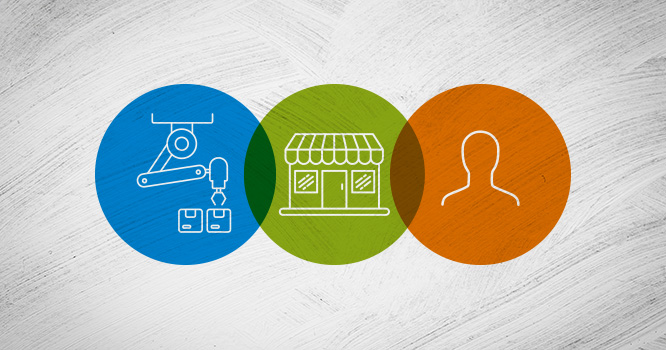


For decades, brands that sell through intermediaries—such as manufacturers, automotive brands, consumer packaged goods (CPG) companies, and insurance providers—faced a massive data blind spot. They knew exactly who their distributors and retailers were, but they had no direct relationship with the end consumers who actually used their products.
As we approach 2026, the landscape of data privacy, consumer expectations, and channel distribution has fundamentally changed. The death of third-party cookies and tightening privacy regulations in the USA have made direct-to-consumer data a critical asset. Enter the solution: B2B2C loyalty platform software.
If you are evaluating B2B2C loyalty platform software in the USA for 2026, this guide will break down how these multi-tier platforms work, the essential features required for modern commerce, and how they drive unprecedented ROI.
What is a B2B2C Loyalty Platform?
A B2B2C (Business-to-Business-to-Consumer) loyalty platform is a unified software architecture designed to manage and incentivize multiple tiers of a supply chain simultaneously.
Unlike traditional platforms that focus only on the end buyer (B2C) or only on the wholesale buyer (B2B), a B2B2C platform runs parallel programs:
- The B2B Tier (Channel Partners): Incentivizes distributors, dealers, or retail sales associates (RSAs) to push your product over a competitor’s through rebates, SPIFFs, and sales leaderboards.
- The B2C Tier (End Consumers): Incentivizes the final purchaser to buy your brand, register their product, and remain loyal through points, cashback, exclusive content, or experiential rewards.
The magic happens when the platform connects these two ecosystems, giving the brand a 360-degree view of the entire product journey.
Why the USA Market is Shifting to B2B2C Loyalty in 2026
The USA market is experiencing a massive shift toward multi-tier loyalty platforms due to several converging factors:
1. The Era of Zero-Party Data
With state-level privacy laws like the CCPA (California) and CPRA becoming stricter, buying third-party data to target consumers is increasingly difficult and inaccurate. B2B2C loyalty platforms allow brands to capture “zero-party data”—information the consumer voluntarily shares (e.g., product registrations, surveys, preferences) in exchange for loyalty rewards.
2. Channel Partner Consolidation
Distributors and retailers hold immense power. If a manufacturer wants prime shelf space or digital real estate on a retailer’s site, they need to offer more than just a good wholesale price. They need a seamless, automated incentive program that rewards the retailer’s sales team directly.
3. The Expectation of Hyper-Personalization
By 2026, consumers expect AI-driven personalization. If a consumer buys a smart appliance through a third-party retailer like Home Depot or Best Buy, the manufacturer can use a B2B2C loyalty app to offer that specific consumer tailored warranty upgrades, complementary accessories, or maintenance tips.
Core Features to Look for in 2026 B2B2C Loyalty Software
If you are issuing an RFP (Request for Proposal) for b2b2c loyalty platform software in the USA in 2026, your technology vendor must possess the following capabilities:
1. Multi-Tenant Architecture & Audience Segmentation
The software must be able to handle distinct rulesets within a single instance. A retail sales associate scanning a barcode to claim a $50 sales SPIFF requires a completely different user interface and reward catalog than an end-consumer scanning a receipt to earn 500 loyalty points.
2. Receipt Scanning and OCR Technology
Because the brand does not own the Point of Sale (POS) at the retail level, capturing consumer purchase data is notoriously difficult. Modern platforms must include advanced Optical Character Recognition (OCR) technology. This allows end consumers to snap a picture of their retailer receipt, while the AI instantly validates the purchase of your specific SKU and awards points.
3. Automated Reward Fulfillment (Digital & Physical)
The platform should offer a robust, API-driven reward catalog. For B2B partners, this often means prepaid Visa/Mastercard incentive cards, account credits, or travel incentives. For B2C consumers, this includes digital gift cards, experiential rewards, or brand merchandise, all fulfilled seamlessly without manual administrative work.
4. Seamless Integration via Open APIs
Your loyalty software cannot live in a silo. It must integrate bi-directionally with your existing enterprise stack, including:
- CRM: Salesforce, HubSpot, or Microsoft Dynamics.
- ERP/PRM: To validate wholesale orders and partner statuses.
- CDP (Customer Data Platform): To centralize the newly acquired consumer data for marketing activation.
5. AI-Powered Fraud Detection
Where there are rewards, there is fraud. By 2026, top-tier platforms must use machine learning algorithms to detect anomalies—such as a single IP address uploading hundreds of identical receipts, or a retail associate attempting to claim consumer rewards for themselves.
The Strategic ROI: What Happens When You Connect the Chain?
Implementing a unified B2B2C loyalty strategy transforms a brand from a passive supplier into an active market player.
- For the Brand: You finally own your consumer data, reducing reliance on retailer data-sharing agreements. You can market directly to the end-user, increasing Customer Lifetime Value (CLV).
- For the Channel Partner: They receive automated, clear incentives that drive their own profitability, making your brand their preferred product to sell.
- For the Consumer: They receive added value, better post-purchase support, and a direct relationship with the brand they trust.
Conclusion
As the digital landscape evolves, the brands that win in 2026 will be those that master the entire value chain. Investing in the right B2B2C loyalty platform software in the USA is no longer just a marketing initiative; it is a fundamental Revenue Operations strategy designed to align channel incentives with consumer data acquisition. By bridging the gap between B2B and B2C, you create an unshakeable ecosystem that competitors simply cannot bypass.