
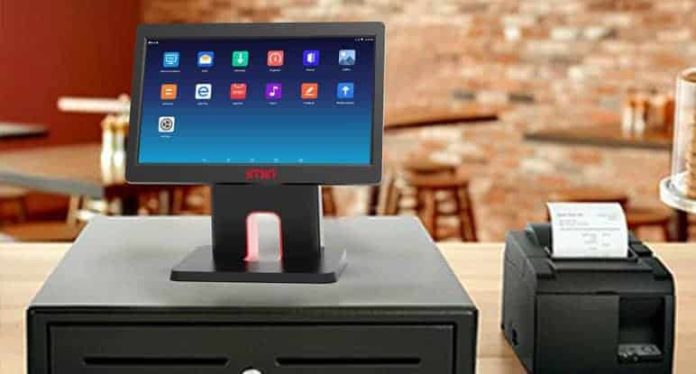


A Desktop POS Machine is a crucial tool for businesses, facilitating transactions, managing inventory, and providing valuable insights into operations. However, like any technology, POS systems can encounter issues that disrupt business activities. Understanding common problems and knowing how to troubleshoot them ensures minimal downtime, maintains operational efficiency, and protects customer satisfaction. By following systematic troubleshooting steps, businesses can address issues quickly and prevent recurring problems.
Identifying the Problem
The first step in troubleshooting a desktop POS machine is identifying the nature of the issue. Common problems can range from hardware malfunctions, software glitches, connectivity failures, or user errors. Pinpointing the source of the problem is essential before attempting any solution. A reliable Desktop POS Machine supplier will often provide detailed user manuals and support resources to help businesses diagnose and resolve common issues efficiently. Keeping a record of recurring problems can also help technicians identify patterns and provide long-term solutions.
Hardware Issues
Hardware issues are among the most frequent challenges faced by desktop POS users. Problems may include unresponsive touchscreens, faulty card readers, malfunctioning receipt printers, or cash drawer jams. To troubleshoot hardware issues:
- Touchscreen problems: Check for dirt or residue on the screen and clean it with a soft, lint-free cloth. Ensure that the system is calibrated correctly, as miscalibration can affect responsiveness.
- Card reader errors: Inspect connections and test the device with a different card. Firmware updates may be required to ensure compatibility with newer payment methods.
- Receipt printer issues: Confirm that the printer has paper and is properly loaded. Check for paper jams or worn-out printer components, and replace parts if necessary.
- Cash drawer malfunctions: Ensure the drawer is correctly connected to the POS system and not obstructed. Mechanical issues may require professional repair or replacement.
Regular maintenance and periodic inspections help prevent many hardware problems and extend the life of the POS system.
Software and System Errors
Software-related issues can include freezing, slow performance, or error messages. To address these:
- Restart the system: A simple reboot can resolve minor glitches and refresh the system’s memory.
- Check for updates: Ensure the POS software and operating system are up-to-date. Software updates often include bug fixes, performance improvements, and security enhancements.
- Clear cache and temporary files: Accumulated data can slow down the system or cause errors. Cleaning cache and unnecessary files can improve performance.
- Review user settings: Incorrect configuration or permissions may prevent certain functions from operating correctly. Verify user access levels and software settings.
Consistent monitoring and proactive software maintenance help reduce recurring issues and improve overall system reliability.
Connectivity Problems
Connectivity issues are common in desktop POS machines, especially those that rely on internet access for payment processing, cloud integration, or updates. To troubleshoot connectivity problems:
- Check network connections: Ensure Ethernet cables, Wi-Fi routers, or switches are functioning correctly.
- Test other devices: Determine whether the network issue is specific to the POS system or affects other devices as well.
- Restart network equipment: Power cycling routers, modems, and switches can resolve temporary connectivity disruptions.
- Check firewall and security settings: Network configurations or security software may block POS communication with servers or payment gateways.
Reliable network connectivity is essential for smooth transactions and real-time synchronization of data across systems.
Payment Processing Issues
Payment errors can frustrate customers and slow down operations. Common causes include communication failures with the payment gateway, expired certificates, or card reader malfunctions. Troubleshooting steps include:
- Verify the status of the payment gateway and ensure it is operational.
- Confirm that the card reader is properly connected and functioning.
- Update the POS software and card reader firmware to maintain compatibility with current payment standards.
- Test transactions with different cards or payment methods to isolate the issue.
Promptly addressing payment issues helps maintain trust and ensures a seamless checkout experience for customers.
User Errors
Sometimes, troubleshooting may reveal that the issue is related to human error. Employees unfamiliar with system workflows may inadvertently cause errors or misconfigure settings. Providing proper training, clear standard operating procedures, and access to user guides helps minimize mistakes and ensures the POS system is used effectively.
Professional Support
While many common issues can be resolved in-house, certain problems require professional assistance. Desktop POS machine suppliers typically offer technical support, warranty services, and on-site repairs. Scheduling regular maintenance with a certified technician ensures that hardware and software remain in optimal condition and prevents unexpected breakdowns.
Conclusion
Troubleshooting a desktop POS machine involves identifying the issue, addressing hardware and software problems, checking connectivity, resolving payment errors, and minimizing user mistakes. Regular maintenance, timely software updates, proper training, and professional support are essential for preventing recurring issues. By following these troubleshooting practices, businesses can maintain efficient operations, reduce downtime, and provide a reliable, seamless experience for their customers, ensuring the long-term effectiveness of their POS system.