
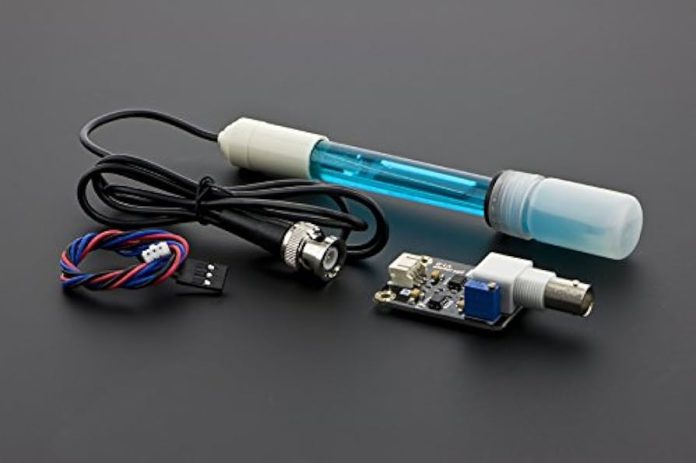


Accurately measuring the acidity or alkalinity of water is essential in industries ranging from environmental monitoring to pharmaceuticals, food processing, and laboratory research. Understanding how pH sensors work is key to ensuring reliable results and maintaining water quality standards. These devices detect the concentration of hydrogen ions in water, providing precise readings that guide critical decisions in both scientific and industrial applications.
A pH Sensor for Water functions by translating chemical activity into an electrical signal that can be measured and interpreted. The accuracy of this measurement is influenced by the sensor design, the quality of the electrodes, calibration procedures, and environmental factors such as temperature and contamination. By understanding the underlying science, operators can optimize sensor performance and trust the readings for critical applications.
How a pH Sensor Works
At the core of most pH sensors is a glass electrode that interacts with the water sample. When immersed, the electrode develops a voltage proportional to the hydrogen ion concentration. This voltage is compared to a stable reference electrode, allowing the sensor to calculate the pH value. The resulting signal is then transmitted to a meter or digital display for interpretation.
Modern sensors often incorporate features such as automatic temperature compensation, which adjusts readings to account for changes in water temperature. This is important because hydrogen ion activity can vary with temperature, potentially affecting the accuracy of measurements if not properly compensated.
Factors Affecting Measurement Accuracy
Several factors can influence the accuracy of a pH sensor:
- Electrode Condition: Worn or contaminated electrodes can cause drift and inaccurate readings.
- Calibration: Sensors must be regularly calibrated using standard buffer solutions to ensure reliability.
- Temperature: Sudden changes in temperature can alter ion activity, affecting the sensor’s response.
- Interfering Chemicals: Certain ions or compounds in water may impact the sensor’s performance.
- Flow and Stirring: Inconsistent sample flow or stagnant water can result in slower or less precise responses.
Understanding these factors allows operators to implement best practices, including regular cleaning, proper storage, and scheduled calibration.
Types of pH Sensors and Their Accuracy
Different types of pH sensors offer varying levels of precision:
- Glass Electrode Sensors: Known for high accuracy and wide pH measurement range, ideal for laboratory and industrial applications.
- Combination Sensors: Integrate both measuring and reference electrodes in one probe, providing convenience and stability for continuous monitoring.
- ISFET Sensors: Use semiconductor technology to detect pH changes, offering durability and fast response in harsh environments.
- Optical Sensors: Employ colorimetric methods for remote or non-invasive measurements, often used in environmental monitoring.
Each type of sensor has unique advantages and may be better suited to specific water applications depending on the required accuracy and environmental conditions.
Calibration for Reliable Results
Calibration is critical for maintaining sensor accuracy. It involves using standard buffer solutions with known pH values to adjust the sensor’s readings. Typically, a two-point or three-point calibration is performed, covering the expected range of water pH values. Regular calibration compensates for drift caused by electrode aging, contamination, or temperature variations, ensuring that measurements remain consistent over time.
Applications Requiring High Accuracy
Accurate pH measurement is essential in applications such as:
- Environmental Monitoring: Tracking water quality in rivers, lakes, and reservoirs to protect ecosystems.
- Wastewater Treatment: Ensuring effluent meets regulatory standards and does not harm the environment.
- Pharmaceutical Manufacturing: Maintaining precise conditions for chemical reactions and product stability.
- Food and Beverage Production: Monitoring water quality used in processing and ingredient preparation.
- Laboratory Research: Supporting experiments where minor pH deviations can impact results.
In each scenario, the sensor’s measurement accuracy directly affects outcomes and compliance.
Enhancing Long-Term Sensor Performance
To maintain accuracy over extended use, sensors should be properly maintained. This includes cleaning the electrodes to prevent buildup, storing them in recommended solutions, and following the manufacturer’s calibration schedule. Advanced sensors may offer self-diagnostic features that alert operators to potential issues, further ensuring reliable performance.
Conclusion
The science behind a pH sensor for water involves precise electrochemical measurement of hydrogen ion activity, combined with careful calibration and maintenance to achieve accurate results. Understanding sensor operation and factors affecting measurement accuracy is crucial for applications ranging from environmental monitoring to industrial processing and laboratory research. By investing in high-quality sensors and adhering to best practices, operators can ensure reliable, consistent, and actionable pH data across a variety of water applications.