
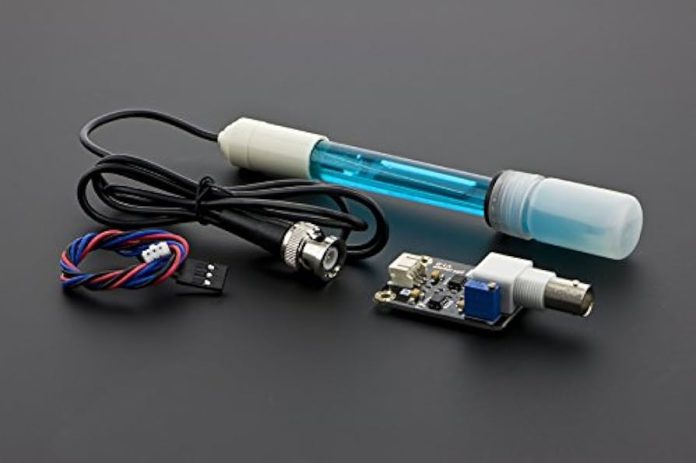


Accurate water pH measurement is vital for various applications, including drinking water treatment, industrial processes, aquaculture, and environmental monitoring. While accuracy and precision are often emphasized, another critical factor that influences water quality management is the response time of the pH sensor. Sensor response time refers to how quickly a sensor reacts to changes in the water’s pH level and delivers a stable reading. Faster response times ensure timely detection of fluctuations, allowing for immediate corrective action and better control over water quality.
A water ph sensor with an optimized response time can significantly enhance water monitoring systems. By providing rapid feedback, these sensors allow operators to respond to sudden pH changes caused by chemical addition, environmental factors, or contamination events. This capability is particularly important in systems where water chemistry can change quickly, such as industrial processes or aquaculture facilities.
Understanding Response Time in pH Sensors
Response time is typically measured as the duration it takes for a sensor to reach a certain percentage of the final stable reading after a sudden change in pH. For example, a sensor may reach 90% of the final value within 10 seconds. Sensors with shorter response times provide real-time data that can be used to maintain water quality within safe and optimal ranges.
Longer response times, on the other hand, can delay corrective measures, allowing potential issues to persist and cause damage or reduce efficiency. Therefore, selecting a sensor with an appropriate response time is essential for accurate and effective water quality management.
Why Response Time Matters
Response time is critical for several reasons:
1. Early Detection of Contamination
In water treatment facilities, sudden changes in pH can indicate contamination, chemical imbalance, or equipment malfunction. A fast-responding sensor alerts operators quickly, enabling rapid intervention before the situation escalates. This reduces the risk of unsafe water reaching consumers and minimizes operational disruptions.
2. Optimizing Chemical Dosing
Chemical dosing in water treatment or industrial processes often relies on pH feedback. Sensors with rapid response times provide immediate data, allowing dosing systems to adjust chemicals precisely. This improves efficiency, prevents overuse or underuse of chemicals, and ensures consistent water quality.
3. Protecting Sensitive Aquatic Life
In aquaculture and natural ecosystems, even brief pH fluctuations can stress fish, plants, and other organisms. A fast-response pH sensor allows operators to detect these changes in real time and take corrective measures, maintaining a stable environment that supports healthy growth and reduces mortality rates.
Factors Affecting Sensor Response Time
Several factors influence the response time of a water pH sensor:
- Electrode type: Different electrode designs respond at varying speeds to pH changes.
- Temperature: Water temperature can affect the kinetics of the electrode reaction, influencing response time.
- Water quality: High levels of suspended solids, biofilm, or chemical contaminants can slow the sensor’s response.
- Sensor maintenance: Proper cleaning, calibration, and storage are essential to maintain optimal response times.
Understanding these factors helps operators select and maintain sensors that perform reliably in their specific water systems.
Applications Requiring Fast Response
Certain applications demand sensors with rapid response times:
- Industrial water systems: Rapid pH changes can affect product quality or equipment safety.
- Drinking water treatment plants: Quick detection of chemical imbalances ensures safe water supply.
- Aquaculture: Sensitive aquatic species require stable pH conditions for optimal growth.
- Environmental monitoring: Rivers, lakes, and reservoirs may experience sudden pH fluctuations due to pollution or runoff, requiring immediate detection.
In all these cases, the ability to measure and respond to pH changes quickly is essential for operational efficiency, safety, and environmental protection.
Best Practices for Maintaining Sensor Response
To maintain a water pH sensor’s optimal response time:
- Clean electrodes regularly to remove deposits and biofilm.
- Calibrate the sensor periodically with standard buffer solutions.
- Store the sensor according to manufacturer recommendations to prevent drying or damage.
- Monitor sensor performance and replace components when necessary to maintain responsiveness.
These practices ensure that sensors continue to deliver fast and accurate readings over their operational life.
Conclusion
Sensor response time is a crucial yet often overlooked factor in water pH measurement. A water ph sensor with a fast response ensures early detection of changes, optimized chemical dosing, protection of aquatic life, and reliable water quality monitoring. By understanding the importance of response time and maintaining sensors properly, operators across industrial, municipal, and environmental applications can achieve accurate, efficient, and safe water management.