

Building the right team is one of the most important decisions any organization can make. As businesses grow and adapt to changing market demands, they often face a choice between expanding their workforce through traditional hiring or adopting more flexible staffing models. Each approach has its own advantages, challenges, and ideal use cases, making it essential for decision-makers to understand how they differ.
Choosing the right staffing strategy depends on factors such as project duration, budget, required expertise, and long-term business goals. While traditional hiring has long been the standard, many modern organizations are now exploring Staff Augmentation as a way to gain flexibility and efficiency without sacrificing control or quality. Understanding how these two models compare can help businesses make informed workforce decisions.
Defining Staff Augmentation and Traditional Hiring
Traditional hiring refers to the process of recruiting permanent, full-time employees who become part of the organization’s long-term workforce. These employees are hired through standard recruitment channels, onboarded internally, and provided with salaries, benefits, and career development opportunities. This model is best suited for core roles that require deep organizational knowledge and long-term commitment.
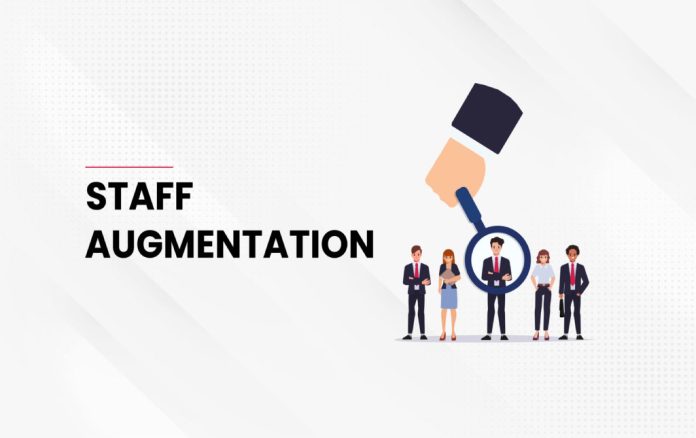
Staff augmentation, on the other hand, involves bringing in external professionals to work alongside internal teams for a specific period or project. These individuals are typically employed by a third-party provider but operate under the client’s direction. This approach allows companies to fill skill gaps or increase capacity quickly without adding permanent headcount.
Speed and Flexibility in Workforce Expansion
One of the most noticeable differences between staff augmentation and traditional hiring is speed. Traditional hiring can take weeks or even months due to job postings, interviews, background checks, and onboarding. This timeline may not align with urgent project needs or sudden increases in workload.
Staff augmentation offers significantly greater flexibility. Qualified professionals can often be onboarded quickly, enabling businesses to respond to immediate demands. Companies can scale teams up or down as projects evolve, making this model particularly effective in fast-paced or project-driven environments.
Cost Structure and Financial Impact
Cost considerations play a major role in staffing decisions. Traditional hiring involves long-term financial commitments, including salaries, benefits, training, and overhead costs. These expenses remain regardless of fluctuations in workload, which can strain budgets during slower periods.
Staff augmentation provides a more variable cost structure. Businesses pay for specific skills and timeframes, reducing long-term financial obligations. This model helps control labor costs and minimizes the risks associated with overstaffing, especially during uncertain growth phases.
Access to Specialized Skills and Expertise
Traditional hiring works well when organizations need to develop internal expertise over time. However, finding and training employees with highly specialized or emerging skills can be challenging and time-consuming.
Staff augmentation excels in providing immediate access to specialized talent. Companies can bring in experts with niche skills for specific tasks, such as software development, cybersecurity, data analysis, or system upgrades. This access accelerates project timelines and enhances overall performance without requiring permanent hires.
Control, Integration, and Team Dynamics
A common concern with external staffing models is control. In traditional hiring, employees are fully integrated into the company culture, processes, and long-term vision. This deep integration supports collaboration and organizational continuity.
Staff augmentation maintains a high level of operational control compared to outsourcing. Augmented professionals work under internal management, follow company procedures, and collaborate directly with in-house teams. While they may not have the same cultural immersion as permanent employees, they contribute effectively within defined scopes and timelines.
Risk Management and Commitment Levels
Traditional hiring carries long-term commitments and potential risks. If business needs change, reducing staff can be costly and complex due to severance, legal considerations, and morale impacts.
Staff augmentation reduces these risks by offering short-term or project-based engagements. Businesses can adjust staffing levels with minimal disruption, making it easier to adapt to market changes, shifting priorities, or evolving technologies.
Long-Term Strategy and Organizational Growth
Both staffing models play important roles in long-term strategy. Traditional hiring supports stability, leadership development, and institutional knowledge. It is ideal for roles that are central to the company’s mission and future growth.
Staff augmentation complements this by supporting innovation, experimentation, and rapid execution. It allows organizations to pursue new initiatives without overextending internal resources, making it a valuable tool for modern workforce planning.
Choosing the Right Approach for Your Business
The decision between staff augmentation and traditional hiring is not an either-or choice. Many successful organizations use a hybrid approach, combining permanent employees with augmented professionals to balance stability and flexibility.
Understanding the key differences helps businesses align their staffing strategy with operational needs, financial goals, and growth plans. By choosing the right model at the right time, organizations can build resilient teams that drive performance and adaptability in a competitive landscape.