


Wind measurement is crucial across multiple industries, including meteorology, renewable energy, aviation, and environmental research. Accurate wind data allows for reliable weather forecasts, optimized wind turbine performance, and safer aviation operations. Among the most trusted devices for precise airflow measurement are Rika Wind Sensors, which come in various technologies, each suited for specific applications. Understanding the differences between cup, ultrasonic, and digital models can help operators choose the right sensor for their needs.
A Rika Wind Sensor provides reliable measurements of wind speed and direction, offering real-time data essential for operational decision-making. These sensors are engineered to withstand harsh outdoor environments while maintaining precision and accuracy. The versatility of Rika wind sensors makes them valuable for both professional meteorological stations and industrial applications such as wind farms, where understanding airflow dynamics is critical for efficiency and safety.
Cup Wind Sensors
Design and Operation
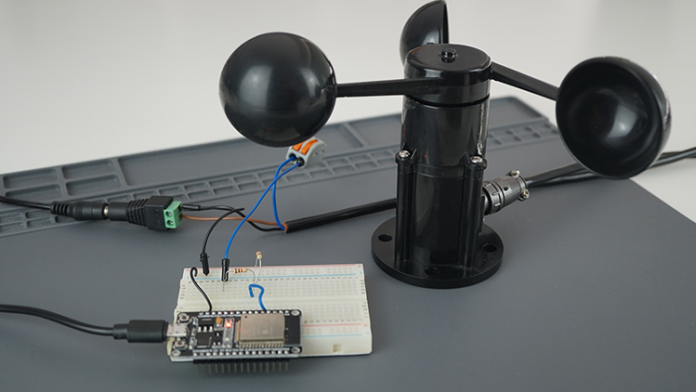
Cup wind sensors are one of the most traditional types of anemometers. They consist of three or four hemispherical cups mounted on horizontal arms that rotate around a vertical axis. As wind blows, it pushes against the cups, causing rotation. The speed of rotation is proportional to wind speed and is converted into an electrical signal for data analysis.
Advantages
Cup anemometers are highly durable and capable of withstanding harsh weather conditions, including rain, snow, and extreme temperatures. They provide reliable average wind speed measurements and are relatively low-maintenance, making them ideal for long-term meteorological monitoring and industrial applications.
Limitations
While cup sensors are robust, they are mechanical devices and can experience wear over time. Bearings and moving parts require periodic maintenance, and response to rapid gusts is slower compared to more modern technologies.
Ultrasonic Wind Sensors
Design and Operation
Ultrasonic wind sensors measure wind speed and direction using sound waves. The device emits ultrasonic pulses between transducers, and the time it takes for the pulses to travel between them varies with wind speed and direction. These variations are processed to calculate accurate airflow measurements.
Advantages
Ultrasonic Rika wind sensors have no moving parts, which reduces mechanical wear and maintenance requirements. They respond rapidly to changes in wind speed and direction, making them suitable for applications that require high-frequency data, such as wind energy monitoring, aviation, and environmental research. Additionally, ultrasonic sensors are highly accurate, even in turbulent conditions.
Limitations
Ultrasonic sensors can be affected by environmental factors such as heavy precipitation, icing, or dust accumulation. Protective measures like sensor shields or heating elements may be necessary to maintain accuracy in extreme conditions.
Digital Wind Sensors
Design and Operation
Digital wind sensors integrate electronic components to provide wind measurements in a digital format. These sensors often combine elements of cup or ultrasonic technology with onboard signal processing to output data directly to monitoring systems. Digital sensors can transmit wind speed, direction, and derived metrics such as gust factor or wind vector data.
Advantages
Digital Rika wind sensors simplify integration with modern monitoring and data logging systems. They provide precise, real-time data suitable for automated systems in renewable energy operations, meteorology, and aviation safety. Many digital models feature calibration capabilities, self-diagnostics, and advanced data output options for enhanced usability.
Limitations
Digital sensors may require a stable power supply and proper data interface for accurate operation. Environmental exposure such as extreme temperature fluctuations or moisture ingress can affect performance if protective measures are not applied.
Choosing the Right Rika Wind Sensor
Selecting the appropriate Rika wind sensor depends on the application requirements:
- Cup models are ideal for standard meteorological monitoring and long-term outdoor installations where durability and simplicity are priorities.
- Ultrasonic models are suitable for high-precision applications that require rapid response and minimal maintenance, such as wind farm control or aviation monitoring.
- Digital models offer versatility and seamless integration with modern data systems, making them suitable for automated monitoring networks and advanced analytics.
Installation and Maintenance Considerations
Regardless of the technology, proper installation is essential for accurate measurements. Sensors should be mounted in open areas away from obstructions and at an appropriate height to avoid ground-level turbulence. Routine maintenance, including cleaning, inspection, and calibration, ensures that sensors continue to provide reliable data over time.
Conclusion
Rika wind sensors represent a range of technologies tailored to meet diverse measurement needs. Cup sensors provide durability and simplicity, ultrasonic sensors offer high precision and rapid response, and digital models enable seamless integration with modern monitoring systems. Understanding the differences between these sensor types allows operators to select the best solution for meteorology, renewable energy, aviation, and environmental applications. By combining proper installation, maintenance, and calibration, Rika wind sensors deliver accurate and reliable wind measurements essential for informed decision-making and operational efficiency.