
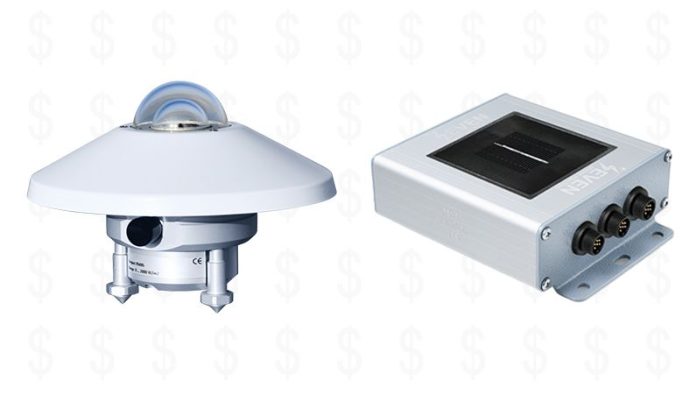


A Radiation Sensor is a device that detects and measures different forms of radiation, including ionizing and non-ionizing types. These sensors play a vital role in both healthcare and industrial settings, providing accurate data for monitoring, safety, and operational efficiency. From ensuring patient safety in medical imaging to protecting workers in nuclear facilities, radiation sensors are integral tools for modern technology and safety management. Understanding the types of sensors, their functions, and applications helps organizations select the most suitable technology for their specific needs.
Radiation sensors can vary widely depending on the application. In healthcare, they are often used to monitor X-rays, gamma rays, and other ionizing radiation sources. Advanced models, such as the Radiation Sensor from Rika Sensor, are also designed to measure solar radiation accurately, making them versatile tools in both research and environmental monitoring contexts. Industrial applications, on the other hand, may require sensors capable of detecting radioactive materials, gamma radiation, or high-intensity electromagnetic fields. Selecting the right sensor technology depends on the radiation type, intensity, and the required precision for measurement or safety purposes.
Types of Radiation Sensors
Ionizing Radiation Sensors
Ionizing radiation sensors are widely used in both healthcare and industry to detect and measure high-energy radiation such as X-rays, gamma rays, and alpha or beta particles. Common types include:
- Geiger-Müller Counters – These sensors produce an electrical pulse or audible click whenever ionizing particles pass through the detector. They are commonly used in nuclear facilities, laboratories, and hospitals to detect radiation exposure.
- Scintillation Detectors – These devices use materials that emit light when exposed to radiation. The emitted light is then converted into electrical signals for measurement. Scintillation detectors are frequently used in medical imaging equipment and industrial radiation monitoring.
- Semiconductor Detectors – Using semiconductor materials, these sensors convert radiation directly into electrical charges. They provide high sensitivity and accuracy, making them suitable for precise applications in nuclear medicine, research laboratories, and radiation safety monitoring.
Non-Ionizing Radiation Sensors
Non-ionizing radiation sensors detect lower-energy radiation, such as ultraviolet light, microwaves, and infrared radiation. These sensors are used in industrial equipment monitoring, communications systems, and healthcare devices that rely on light or electromagnetic fields. Non-ionizing sensors often employ photodiodes, thermopiles, or photovoltaic cells to convert energy into measurable signals. They are particularly important in areas where exposure to electromagnetic radiation must be monitored to ensure safety and compliance with regulations.
Functions of Radiation Sensors
Radiation sensors perform several essential functions:
- Detection – Identifying the presence of radiation in an environment or from a specific source.
- Measurement – Quantifying radiation intensity, dose, or energy to provide precise data.
- Monitoring – Continuous or periodic tracking of radiation levels for safety and operational analysis.
- Safety Alerts – Triggering alarms or notifications when radiation exceeds predefined safety thresholds.
In healthcare, these functions ensure patient and staff safety during X-ray, CT, and radiotherapy procedures. In industry, radiation sensors monitor radioactive materials, ensure worker safety, and verify that equipment operates within safe radiation limits.
Applications in Healthcare
Radiation sensors are critical in medical diagnostics and treatment. X-ray machines, CT scanners, and nuclear medicine equipment rely on sensors to measure exposure levels and prevent overexposure. Sensors also play a role in radiation therapy, where precise measurement ensures accurate targeting of cancerous tissues while protecting surrounding healthy tissue. Additionally, wearable radiation monitoring devices allow healthcare personnel to track their cumulative exposure, maintaining compliance with safety standards.
Applications in Industry
In industrial settings, radiation sensors are used in nuclear power plants, manufacturing processes involving radioactive materials, and laboratories handling radioactive isotopes. They ensure worker safety by providing real-time exposure data, alerting personnel to potential hazards, and maintaining compliance with regulatory limits. Sensors also monitor equipment integrity, detect leaks, and track environmental radiation levels around industrial sites.
Maintenance and Calibration
Maintaining accuracy and reliability in radiation sensors requires regular maintenance and calibration. Cleaning the sensor surface, inspecting for physical damage, and recalibrating against known reference standards ensures consistent performance. Industrial and healthcare environments may require more frequent calibration due to high usage and exposure to variable conditions. Proper maintenance prolongs sensor lifespan and ensures that measurements remain precise for safety-critical applications.
Conclusion
A Radiation Sensor is an indispensable tool for healthcare and industrial applications, providing critical data for safety, monitoring, and operational efficiency. By understanding the different sensor types—ionizing and non-ionizing—along with their specific functions and applications, organizations can select the right technology for their needs. From protecting patients and medical staff to ensuring industrial safety and regulatory compliance, radiation sensors deliver accurate, reliable measurements essential for modern science, healthcare, and industry. Proper maintenance and calibration further enhance performance, ensuring long-term reliability and precise monitoring in diverse environments.