
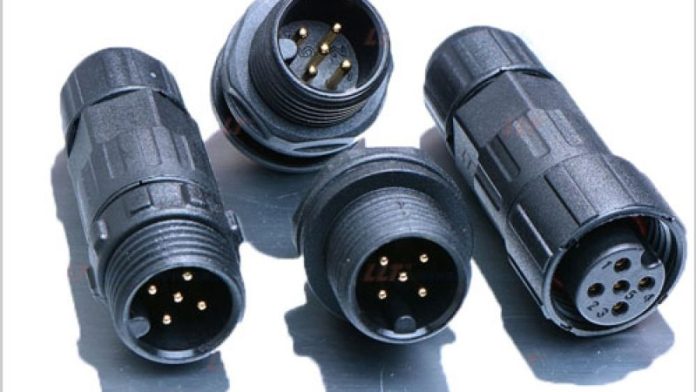


M16 connectors are widely used in industrial automation, measurement technology, and control systems where durability and reliable electrical connections are essential. Known for their larger size compared to M8 and M12 connectors, M16 connectors are particularly suitable for applications that require higher pin counts, stronger mechanical stability, and robust environmental protection. Their design and thread specifications play a critical role in ensuring consistent performance in demanding industrial environments.
Understanding the mechanical structure and threading of M16 connectors helps engineers select the correct connector for their application, avoid compatibility issues, and ensure long-term system reliability. The standardized design also allows M16 connectors to be integrated into a wide range of industrial devices with confidence.
Overview of M16 Connector Construction
An M16 connector is characterized by a circular housing and a metric M16 threaded coupling, which provides a secure and vibration-resistant connection. The larger thread diameter allows for increased contact space, making these connectors suitable for applications that require multiple signal lines or higher current capacity. M16 connectors are commonly used in encoders, sensors, industrial control units, and heavy-duty machinery.
The M16 Connector is designed to withstand harsh mechanical and environmental conditions while maintaining stable electrical performance. Its construction typically includes a robust housing, precision-machined contacts, and sealing elements that protect against dust and moisture. These features make it a reliable choice for both indoor and outdoor industrial applications.
M16 Thread Specifications
The defining feature of an M16 connector is its M16 x 1.5 metric thread, which specifies a nominal outer diameter of 16 millimeters and a thread pitch of 1.5 millimeters. This standardized threading ensures compatibility between connectors and mating parts from different manufacturers, provided they adhere to the same specifications.
The thread design allows for secure tightening with consistent torque, which is essential for maintaining proper contact pressure and sealing performance. Proper engagement of the M16 thread helps prevent loosening due to vibration, a common issue in industrial machinery and moving equipment.
Mechanical Design and Coupling Mechanism
M16 connectors typically use a threaded coupling mechanism rather than a push-fit or bayonet style. This threaded design provides a strong mechanical lock, reducing the risk of accidental disconnection. The coupling nut is usually knurled or hex-shaped, allowing easy tightening by hand or with tools when higher torque is required.
The mechanical design also accounts for repeated mating cycles. M16 connectors are built to endure frequent connections and disconnections without significant wear to the threads or contacts. This durability is especially important in maintenance-intensive environments where connectors are regularly accessed.
Housing Materials and Durability
Housing materials play a significant role in the overall performance of M16 connectors. Common materials include metal alloys such as brass or stainless steel, as well as high-performance industrial plastics. Metal housings offer excellent mechanical strength, resistance to impact, and protection against electromagnetic interference.
Plastic housings, on the other hand, provide advantages such as corrosion resistance, lower weight, and cost efficiency. The choice of housing material depends on the application’s mechanical stress, environmental exposure, and electrical requirements.
Contact Layout and Pin Configurations
M16 connectors support a wide range of pin configurations, often ranging from 3 pins to more than 12 pins. The larger connector size allows for greater spacing between contacts, which improves insulation performance and reduces the risk of electrical interference.
The contact layout is carefully designed to ensure reliable signal transmission and power delivery. Contacts are typically made from copper alloys with protective plating to enhance conductivity and resist corrosion. This design ensures stable performance even in environments with temperature fluctuations or humidity.
Sealing and Environmental Protection
Thread specifications in M16 connectors work together with sealing elements to provide environmental protection. O-rings or gaskets are commonly integrated into the connector interface to prevent the ingress of dust, water, and other contaminants when the connector is fully mated.
Depending on the design and materials used, M16 connectors can achieve high ingress protection ratings, making them suitable for outdoor installations or harsh industrial settings. Proper thread engagement is critical to maintaining the integrity of these seals and achieving the rated level of protection.
Installation and Torque Considerations
Correct installation is essential to maximize the benefits of M16 connector design and threading. Over-tightening can damage threads or seals, while under-tightening may compromise mechanical stability and environmental protection. Manufacturers typically specify recommended torque values to ensure optimal performance.
Using appropriate tools and following installation guidelines helps extend connector lifespan and ensures consistent electrical and mechanical performance over time.
Compatibility and Standardization
M16 connectors are designed according to international standards, which define thread dimensions, contact arrangements, and performance requirements. This standardization ensures interoperability across different systems and manufacturers, simplifying system integration and component replacement.
Standard thread specifications also make it easier to source compatible accessories such as panel mounts, adapters, and protective caps.
Conclusion
The design and thread specifications of M16 connectors are fundamental to their performance in industrial applications. With a robust M16 threaded coupling, durable housing materials, versatile pin configurations, and reliable sealing, these connectors provide stable and secure connections in demanding environments. Understanding their mechanical design and threading helps engineers select the right connector, ensure proper installation, and achieve long-term reliability in industrial systems.