
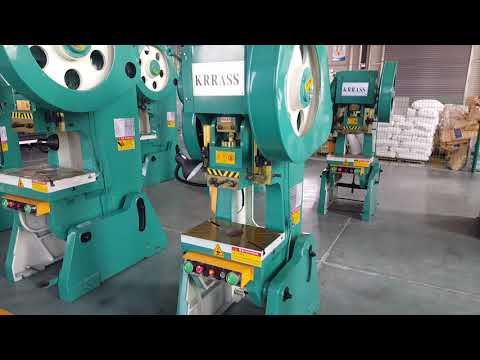


In modern manufacturing, efficiency is a key factor in maintaining competitiveness and profitability. Producing high-quality components quickly and consistently requires advanced machinery that can handle repetitive tasks with precision. Power press machines have become a cornerstone in industrial production, allowing manufacturers to increase output, reduce labor costs, and improve overall workflow. Their ability to perform multiple metalworking operations makes them an indispensable tool in various industries, including automotive, electronics, construction, and appliance manufacturing.
Power press machines operate by applying controlled force through a punch and die system to shape, cut, or form metal components. Unlike manual processes, these machines deliver consistent results at high speeds, which reduces errors and increases overall production efficiency. They are capable of performing operations such as blanking, punching, bending, forming, and stamping, all of which are essential in mass manufacturing.
A Power Press further enhances production efficiency by integrating advanced features like automation, servo drives, and digital control systems. These technologies reduce cycle times, improve precision, and allow operators to manage multiple processes simultaneously. By combining mechanical reliability with modern automation, power presses streamline production lines and minimize bottlenecks in industrial operations.
Faster Production Cycles
One of the primary ways power press machines improve production efficiency is through faster production cycles. Mechanical and hydraulic presses can complete hundreds or thousands of operations per hour, depending on the machine type and complexity of the task. This speed allows manufacturers to produce large volumes of parts without compromising quality. Faster cycle times are particularly beneficial in industries such as automotive and appliance manufacturing, where high-volume production is critical to meeting demand.
Consistency and Precision
Power presses ensure that each part produced is identical to the previous one, which greatly reduces material waste and rework. Precision is maintained through carefully designed punch and die systems, as well as advanced control mechanisms in modern machines. Consistent output not only improves product quality but also reduces time spent on inspections and corrections, allowing the production line to operate more efficiently.
Versatility in Operations
Power press machines are highly versatile, capable of performing multiple operations on a wide range of materials, including steel, aluminum, copper, and alloys. This flexibility allows manufacturers to use the same machine for different tasks, such as punching, forming, or stamping, without needing to switch equipment. By consolidating operations into a single machine, manufacturers can reduce setup times, optimize floor space, and improve overall workflow efficiency.
Reduced Labor Requirements
Automation and easy-to-operate controls in modern power press machines significantly reduce the need for manual labor. Automated feeding systems, programmable controls, and safety mechanisms allow operators to manage multiple machines simultaneously. This reduces labor costs while freeing personnel to focus on more complex or specialized tasks. Reducing manual intervention also minimizes human error, further enhancing production efficiency.
Minimized Material Waste
The precision of power press machines contributes directly to reduced material waste. Accurate cutting, forming, and stamping ensure that each part meets specifications, minimizing scrap and defective products. Lower material waste translates to cost savings and higher efficiency in production processes. Efficient material utilization also supports sustainability initiatives, which are increasingly important in modern manufacturing.
Integration with Automated Production Lines
Power press machines are easily integrated into automated production systems, including robotic feeders, conveyor systems, and CNC controls. Automation ensures continuous operation, reduces idle time, and allows for precise coordination between different stages of production. Data from automated presses can also be analyzed to monitor performance, predict maintenance needs, and optimize production schedules. This integration is essential for industries striving for lean manufacturing and higher throughput.
Enhanced Safety and Reliability
Modern power presses are equipped with advanced safety features, such as emergency stops, light curtains, and guards. These mechanisms protect operators while maintaining high-speed production. Reliable operation reduces downtime due to accidents or mechanical failures, ensuring that production targets are met efficiently. Consistent machine reliability also reduces maintenance costs and prevents unexpected disruptions in the workflow.
Conclusion
Power press machines significantly improve production efficiency in modern manufacturing by increasing speed, ensuring precision, reducing labor requirements, and minimizing material waste. Their versatility, ability to integrate with automation systems, and enhanced safety features make them an essential component in high-volume production environments. By leveraging the capabilities of power press technology, manufacturers can optimize workflows, maintain consistent quality, and achieve higher output, ultimately enhancing competitiveness and profitability in today’s industrial landscape.