
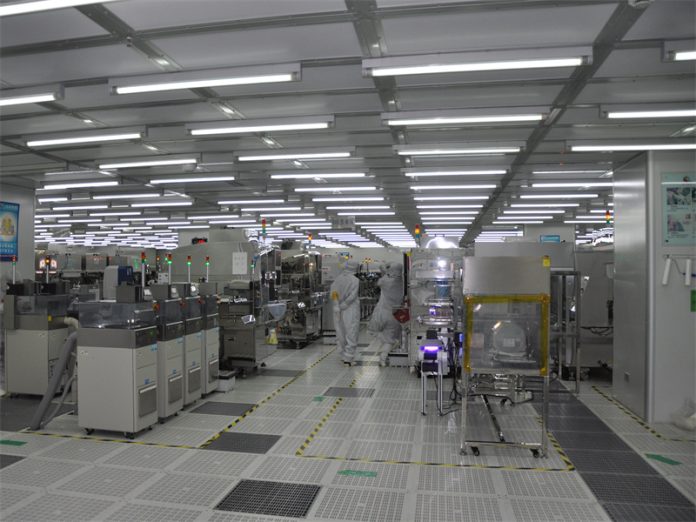


ISO 5 cleanrooms are designed to maintain an exceptionally low level of airborne particles, making them essential for industries that require extreme contamination control, such as pharmaceuticals, biotechnology, semiconductor manufacturing, and medical device production. Despite strict protocols, contamination can still occur if proper measures are not observed. Understanding common contamination sources is crucial for maintaining compliance, ensuring product quality, and protecting sensitive processes from costly disruptions.
Cleanroom contamination can arise from multiple sources, including personnel, equipment, materials, and the surrounding environment. In high-precision operations, even microscopic particles can compromise product integrity or experimental outcomes. Organizations that operate an ISO 5 Cleanroom implement rigorous preventive measures to control these contamination sources. Identifying potential risks and addressing them systematically is the key to maintaining the high standards required in such environments.
Personnel as a Contamination Source
Personnel are often the primary source of contamination in ISO 5 cleanrooms. Humans naturally shed skin cells, hair, and other particles, as well as microorganisms such as bacteria and fungi. Movements such as walking, bending, or talking can release these contaminants into the air. Improper gowning, inconsistent hygiene practices, or failure to follow cleanroom protocols can further increase the risk of contamination.
To mitigate these risks, personnel must adhere to strict gowning procedures that include wearing full-body suits, gloves, masks, and hair covers. Training on correct behavior inside the cleanroom, such as minimizing movement and avoiding unnecessary contact with surfaces, is also essential. Regular monitoring of personnel and contamination trends helps maintain a controlled environment.
Equipment and Machinery
Equipment and machinery within an ISO 5 cleanroom can introduce particles or chemical residues if not properly maintained. Motors, pumps, and other mechanical systems can generate particles through friction or wear. Additionally, surfaces that are difficult to clean may harbor contaminants. Equipment that is brought from outside the cleanroom can carry dust, oils, or microbial contaminants unless properly sanitized.
Preventive strategies include using materials compatible with cleanroom conditions, routine cleaning and maintenance of equipment, and designing machinery with smooth surfaces that minimize particle accumulation. Ensuring that all tools and instruments meet cleanroom standards is critical to reducing contamination risk.
Materials and Supplies
Materials and supplies introduced into the cleanroom, including packaging, raw materials, and consumables, are potential sources of contamination. Dust, fibers, or microorganisms present on these items can compromise the controlled environment. Improper storage, handling, or preparation of materials before entry can exacerbate contamination issues.
To prevent this, materials must be cleaned, sterilized, or otherwise prepared to meet cleanroom standards before use. Controlled transfer protocols, such as airlocks and pass-through chambers, help reduce the risk of introducing particles when moving materials into the ISO 5 environment.
Environmental and Infrastructure Sources
The cleanroom’s infrastructure itself can also contribute to contamination if not properly managed. Poorly sealed walls, ceilings, or floors can allow dust and particles to enter. Inadequate ventilation or filtration can fail to remove airborne contaminants, and temperature or humidity fluctuations may affect particulate behavior. Maintenance activities, construction, or repairs near the cleanroom can also introduce debris.
Regular inspections of the building envelope, maintenance of HVAC and HEPA filtration systems, and careful management of construction or repair work are essential for preventing environmental contamination. Monitoring airflow patterns and pressure differentials helps ensure that contaminants are effectively removed from critical areas.
Cleaning and Maintenance Practices
Ironically, cleaning and maintenance practices themselves can become a source of contamination if not executed correctly. Improper cleaning techniques, use of inappropriate cleaning agents, or introducing contaminated cleaning tools can spread particles and microorganisms throughout the cleanroom. Additionally, inconsistent schedules or missed cleaning of critical surfaces can lead to the accumulation of debris.
Using validated cleaning procedures, approved disinfectants, and trained personnel ensures that cleaning contributes to contamination control rather than becoming a risk factor. Monitoring and documentation of cleaning activities help maintain accountability and adherence to standards.
Monitoring and Prevention Strategies
Effective monitoring is essential for identifying contamination sources in an ISO 5 cleanroom. Airborne particle counters, surface sampling, and microbial testing provide real-time data on environmental conditions. Identifying trends allows corrective actions to be implemented before contamination impacts products or processes.
Preventive strategies include rigorous training for personnel, proper gowning, routine maintenance of equipment, strict material handling protocols, and regular cleaning using validated procedures. These measures collectively help maintain a stable, contamination-free environment suitable for highly sensitive operations.
In conclusion, contamination in an ISO 5 cleanroom can originate from personnel, equipment, materials, environmental factors, and even cleaning practices. Understanding and controlling these sources is critical for achieving consistent product quality, regulatory compliance, and operational efficiency. By implementing proper protocols and preventive measures, organizations can maintain the integrity of their controlled environments and ensure the success of their critical processes.