
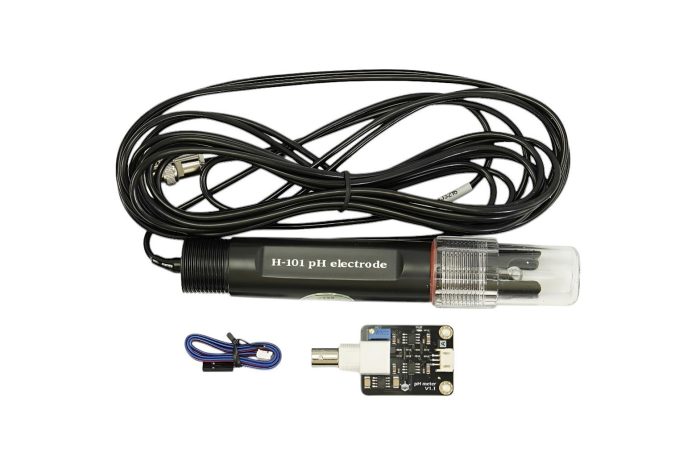


A pH sensor is a critical instrument in laboratories, industrial processes, water treatment, and environmental monitoring. The accuracy, reliability, and longevity of a pH sensor largely depend on the design and quality of its electrode. Understanding how electrode design influences sensor performance is essential for selecting the right sensor for specific applications and maintaining precise measurements over time.
A well-engineered pH sensor converts chemical activity into measurable electrical signals efficiently. The electrode’s materials, geometry, and reference system all contribute to measurement stability, response time, and resistance to harsh conditions. Optimizing these factors is critical to achieving reliable pH readings in challenging environments.
Types of Electrodes and Their Influence
The most common pH electrode is the glass electrode, which interacts with hydrogen ions to generate a potential difference. The design of the glass membrane affects sensitivity, selectivity, and response speed. Thin glass membranes provide faster response times, while specialized glass compositions can improve chemical resistance and extend electrode life in acidic or alkaline solutions.
Solid-state electrodes, ion-sensitive field-effect transistors (ISFETs), and other advanced designs offer alternatives for specific applications. The choice of electrode type directly impacts performance, especially in extreme pH ranges, high-temperature environments, or solutions with high ionic strength.
Reference Electrode Considerations
A pH sensor’s reference electrode is as important as the measuring electrode. It provides a stable reference potential against which the pH measurement is made. The design of the reference system, including junction type and electrolyte composition, influences stability and accuracy.
Double junction and gel-filled references help minimize contamination and prevent clogging in samples with suspended solids or reactive chemicals. High-quality reference electrodes reduce drift and extend the intervals between calibration, enhancing reliability in continuous monitoring applications.
Response Time and Electrode Geometry
The geometry of a pH electrode affects its response time and adaptability to different environments. Smaller tip sizes allow electrodes to measure pH in narrow containers, microfluidic systems, or small sample volumes. Flat or spear-shaped electrodes are designed for semi-solid samples, such as food products or biological tissues.
Electrode geometry also influences how quickly the sensor equilibrates with the solution. Optimized designs reduce lag time, allowing for faster detection of pH changes, which is critical in dynamic systems like industrial reactors or aquaculture tanks.
Temperature and Chemical Resistance
Electrodes are exposed to varying temperatures and chemical environments, which can impact measurement stability. High-quality pH electrodes use glass and reference materials that withstand extreme temperatures and resist chemical attack from acids, bases, and solvents.
Temperature-compensated electrodes ensure accurate readings across different conditions. Choosing electrodes designed for the specific chemical and thermal environment improves performance and extends operational life.
Maintenance and Longevity
Electrode design also affects maintenance requirements. Electrodes with robust junctions, protective coatings, and durable glass membranes require less frequent cleaning and calibration. Conversely, fragile or poorly designed electrodes are prone to fouling, clogging, and drift, which increases downtime and operational costs.
Regular inspection, cleaning, and proper storage are essential practices to maximize the lifespan of pH sensors, particularly for electrodes used in harsh industrial or environmental settings.
Specialized Electrodes for Unique Applications
Certain applications demand specialized electrodes. For example, ISFET electrodes provide fast response and compact form factors for inline monitoring, while glass electrodes with spear tips are ideal for viscous or semi-solid samples. Selecting the appropriate electrode type ensures accurate and reliable performance, tailored to the specific measurement conditions.
Conclusion
The design of a pH sensor’s electrode has a profound impact on its performance, accuracy, and durability. Factors such as electrode type, glass composition, reference system, geometry, and chemical resistance all play a role in ensuring reliable pH measurement. By selecting electrodes optimized for specific applications and maintaining them properly, users can achieve precise, consistent, and long-lasting performance across laboratory, industrial, and environmental monitoring scenarios. A well-designed electrode ultimately enhances the value of a pH sensor, supporting accurate data collection and effective process control.