


Wastewater treatment is a critical process for protecting the environment and public health. Ensuring that wastewater is properly treated before being released requires careful monitoring of various chemical parameters, with pH being one of the most important. Accurate measurement of pH levels allows treatment facilities to control chemical reactions, maintain compliance with regulations, and prevent environmental damage.
The pH level of wastewater influences the efficiency of treatment processes, including coagulation, flocculation, biological digestion, and chemical neutralization. If pH levels are too high or too low, these processes can be compromised, leading to incomplete treatment and potential environmental hazards. Therefore, continuous monitoring is essential to maintain optimal performance of treatment systems.
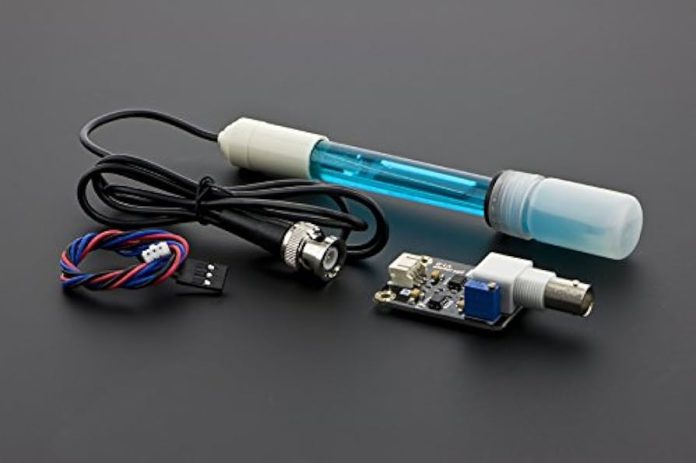
Modern pH sensors play a vital role in wastewater treatment plants. These devices detect hydrogen ion concentration in the water and convert it into an electrical signal that can be easily read and recorded. By providing real-time data, pH sensors allow operators to adjust chemical dosing and process conditions promptly, ensuring that wastewater is treated efficiently and safely.
Importance of pH Monitoring in Wastewater Treatment
Maintaining the correct pH is essential for several treatment stages. In chemical treatment, pH affects the efficiency of coagulants and flocculants used to remove suspended solids. In biological treatment processes, such as activated sludge systems, microbial activity depends heavily on pH stability. Extreme pH levels can inhibit microbial growth, reducing the breakdown of organic matter.
Accurate pH control also prevents corrosion of equipment and pipelines within the treatment facility. Acidic or alkaline water can damage pumps, valves, and storage tanks, leading to increased maintenance costs and potential system downtime. Regular pH monitoring ensures that both treatment processes and infrastructure remain protected.
Enhancing Treatment Efficiency with pH Sensors
pH sensors enhance the efficiency of wastewater treatment by providing continuous and accurate monitoring. Unlike manual testing, which is time-consuming and prone to human error, sensors offer real-time measurements that enable proactive process control. This allows operators to detect and correct deviations immediately, preventing process failures and improving overall treatment effectiveness.
In addition, modern pH sensors can be integrated into automated control systems. These systems adjust chemical dosing or other process parameters based on real-time pH readings, maintaining water balance without constant manual intervention. This automation reduces labor costs and ensures consistent treatment quality.
Applications of pH Sensors in Wastewater Facilities
Wastewater treatment plants use pH sensors across multiple applications. During neutralization, pH sensors help control the addition of acids or bases to adjust the water to a safe discharge level. In biological treatment tanks, sensors monitor pH to maintain optimal conditions for microbial activity. Additionally, in final effluent monitoring, pH sensors verify compliance with environmental regulations before water is released into rivers, lakes, or oceans.
Industries producing wastewater also benefit from pH monitoring. Chemical plants, food processing facilities, and manufacturing units often have high-strength wastewater that must be treated onsite. Using pH sensors ensures that the water is neutralized properly before entering municipal treatment systems or the environment.
Benefits of Continuous pH Monitoring
Continuous pH monitoring provides several advantages for wastewater treatment. It reduces the risk of regulatory violations by ensuring that discharge levels remain within permissible limits. Real-time data enables quick corrective actions, preventing treatment inefficiencies or environmental incidents. Additionally, consistent monitoring improves operational planning and helps optimize chemical usage, reducing costs and environmental impact.
The data collected from pH sensors also supports long-term process optimization. Trends and patterns can be analyzed to improve chemical dosing strategies, identify potential system issues, and enhance overall plant performance.
Maintenance and Calibration for Reliable Performance
To maintain accuracy, pH sensors require regular calibration and maintenance. Using standard buffer solutions for calibration ensures that readings remain precise. Cleaning the sensor regularly prevents residue buildup that could interfere with measurements, and proper storage extends the device’s lifespan. Following manufacturer guidelines for maintenance ensures reliable performance over time.
Conclusion
pH sensors are indispensable tools for wastewater treatment monitoring. By providing accurate, continuous measurements, they allow operators to maintain chemical balance, optimize treatment efficiency, and comply with environmental regulations. With proper calibration and integration into automated systems, pH sensors help ensure that wastewater treatment processes are safe, effective, and sustainable, protecting both the environment and public health.