
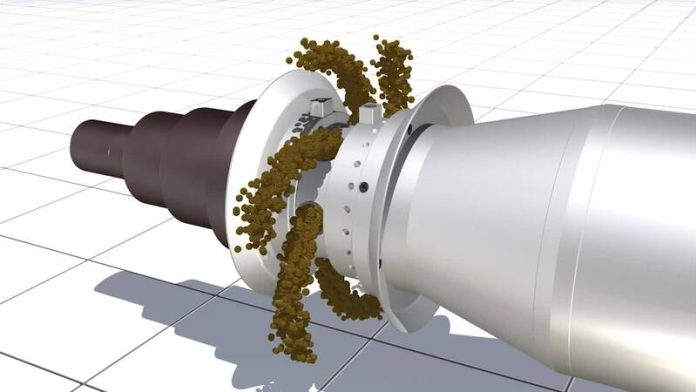


Choosing the right decanter centrifuge is essential for achieving efficient solid-liquid separation, reducing operating costs, and maintaining consistent production. Since every industrial process has different requirements, selecting the most suitable equipment involves evaluating several technical and operational factors rather than focusing solely on machine size or price.
Working with the right supplier and understanding your processing needs can help you choose a decanter centrifuge that delivers reliable performance, high efficiency, and long-term value. Careful planning ensures the equipment matches both current production demands and future operational goals.
Understand Your Process Requirements
The first step is to analyze the characteristics of the material being processed. Different mixtures require different separation capabilities, and understanding these properties helps determine the appropriate centrifuge configuration.
Important factors to consider include:
- Solid concentration
- Particle size
- Liquid viscosity
- Material density
- Flow rate
- Operating temperature
A thorough evaluation of these factors helps improve separation efficiency and equipment performance.
Determine the Required Processing Capacity
Production volume plays a major role in equipment selection. A centrifuge should be capable of handling both current workloads and potential future increases in capacity.
When estimating processing requirements, consider:
- Daily production volume
- Peak operating conditions
- Continuous or batch processing
- Future expansion plans
Selecting equipment with sufficient capacity helps avoid production bottlenecks while reducing the need for costly upgrades later.
Evaluate Separation Performance
Different industries require different levels of separation efficiency. Some applications focus on achieving maximum liquid clarity, while others prioritize higher solids recovery.
Performance considerations include:
- Moisture content of discharged solids
- Clarity of separated liquid
- Solids recovery rate
- Processing consistency
- Product quality requirements
Matching these performance goals with the right centrifuge design improves overall process efficiency.
Choose the Right Construction Materials
The materials used in a decanter centrifuge directly affect its durability and resistance to wear and corrosion. Industrial processes involving abrasive particles or aggressive chemicals require specialized construction materials.
Common options include:
- Stainless steel for corrosion resistance
- Wear-resistant coatings
- Hardened scroll surfaces
- High-strength alloys for demanding environments
Selecting appropriate materials extends equipment lifespan and reduces maintenance costs.
Consider Automation Features
Modern decanter centrifuges often include advanced automation systems that improve operational efficiency and simplify equipment management.
Useful automation features may include:
- Programmable operating controls
- Variable speed adjustment
- Real-time performance monitoring
- Automatic alarm systems
- Remote diagnostics
Automation helps maintain consistent operation while reducing manual intervention.
Focus on Energy Efficiency
Energy consumption represents a significant portion of long-term operating costs. Modern centrifuges are designed to maximize separation performance while minimizing power usage.
Energy-efficient features include:
- Variable frequency drives
- Optimized motor systems
- Efficient bowl designs
- Intelligent speed control
Lower energy consumption contributes to both cost savings and environmental sustainability.
Review Maintenance Requirements
Routine maintenance is essential for maintaining reliable operation. Choosing equipment with accessible components and durable construction simplifies servicing and minimizes downtime.
Before making a purchase, evaluate:
- Ease of component replacement
- Availability of spare parts
- Maintenance intervals
- Technical support services
- Expected equipment lifespan
Reliable maintenance support helps maximize equipment availability.
Consider Industry-Specific Applications
Different industries have unique processing requirements that influence centrifuge selection.
Common applications include:
- Wastewater treatment
- Food and beverage processing
- Chemical manufacturing
- Mining and mineral processing
- Pharmaceutical production
- Oil and gas operations
Selecting equipment designed for your specific industry helps improve productivity and process reliability.
Balance Cost with Long-Term Value
While purchase price is an important consideration, the total cost of ownership provides a more complete picture. Factors such as maintenance, energy consumption, equipment lifespan, and operating efficiency often have a greater impact over time.
Investing in a high-quality centrifuge can reduce operating expenses while improving production reliability throughout the equipment’s service life.
Conclusion
Selecting the right decanter centrifuge requires careful evaluation of processing requirements, production capacity, material characteristics, and long-term operational goals. By considering factors such as separation performance, energy efficiency, construction quality, automation, and maintenance needs, businesses can choose equipment that delivers dependable performance and lasting value across a wide range of industrial applications.