
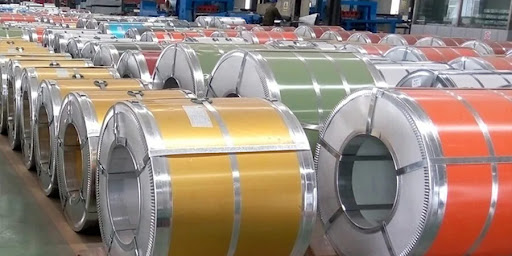


Steel is one of the most widely used materials in modern construction and infrastructure projects due to its strength and versatility. However, exposure to moisture, chemicals, and environmental conditions can lead to corrosion over time, reducing structural integrity and lifespan.
To overcome this challenge, industries rely on zinc coating technology produced through a hot dip galvanizing process. A modern hot dip galvanizing line plays a crucial role in ensuring that steel components achieve long-lasting corrosion resistance suitable for demanding construction and infrastructure applications.
Importance of Galvanized Steel in Modern Construction
Construction environments often expose steel structures to rain, humidity, pollution, and temperature variations. Without protection, steel can corrode rapidly, leading to safety risks and high maintenance costs.
Galvanized steel offers a durable solution by forming a protective zinc layer that prevents direct contact between steel and corrosive elements. This makes it an essential material in modern engineering projects where reliability and safety are priorities.
Structural Applications in Building Construction
One of the most significant uses of hot-dip galvanized steel is in structural construction components. These elements must withstand heavy loads and environmental exposure over long periods.
Common applications include:
- Steel beams and columns
- Roof trusses and frameworks
- Staircases and platforms
- Building support structures
Galvanized coatings help ensure that these structural elements maintain strength and stability throughout the building’s lifespan, even in challenging environmental conditions.
Infrastructure Development Projects
Infrastructure systems rely heavily on galvanized steel due to their exposure to outdoor environments and continuous use. Corrosion protection is essential to avoid structural failures and reduce maintenance costs.
Bridges and Overpasses
Steel bridges and overpasses are constantly exposed to weather and traffic-related stress. Galvanized coatings provide long-term protection against rust, ensuring structural safety and durability.
Roadside Safety Systems
Guardrails, crash barriers, and signage structures are commonly manufactured using galvanized steel. These components require high resistance to impact and weather conditions, making galvanizing an ideal solution.
Transportation Networks
Railway systems, metro infrastructure, and highway structures also depend on galvanized steel for durability and reduced maintenance requirements.
Utility and Energy Infrastructure
Energy and utility systems require materials that can withstand harsh outdoor environments for decades. Galvanized steel produced through a hot dip galvanizing line is widely used in this sector.
Power Transmission Towers
Electrical transmission towers must remain stable and corrosion-free for long periods. Galvanized steel ensures resistance to wind, rain, and atmospheric corrosion.
Solar Energy Installations
Solar panel mounting structures are typically made from galvanized steel due to their outdoor exposure and need for long-term stability.
Telecommunication Towers
Telecom infrastructure relies on galvanized steel for antenna supports and tower structures, ensuring reliability in remote and urban environments alike.
Industrial and Public Infrastructure
Beyond major construction projects, galvanized steel is also widely used in industrial facilities and public infrastructure systems.
Industrial Facilities
Factories, warehouses, and production plants use galvanized steel for structural frameworks, piping supports, and equipment platforms. The corrosion resistance helps reduce downtime and maintenance costs.
Public Facilities
Public infrastructure such as parking structures, stadiums, airports, and transportation terminals benefit from galvanized steel due to its durability and safety performance.
Advantages of Using Hot Dip Galvanized Steel in Infrastructure
The widespread use of galvanized steel in construction and infrastructure is driven by several key benefits:
Long-Term Durability
Galvanized coatings provide strong protection against corrosion, significantly extending the lifespan of steel structures.
Reduced Maintenance Costs
Infrastructure projects using galvanized steel require less frequent repairs and repainting, lowering long-term operational costs.
Enhanced Safety
Corrosion can weaken structural components over time. Galvanized steel helps maintain structural integrity and ensures public safety.
Environmental Resistance
Galvanized steel performs well in diverse environmental conditions, including coastal, industrial, and high-humidity areas.
Role of Hot Dip Galvanizing Lines in Infrastructure Development
Modern infrastructure demands high-quality steel protection systems that can support large-scale production and consistent coating performance. A hot dip galvanizing line ensures that steel components meet strict quality and durability standards required for construction and infrastructure projects.
By enabling efficient, continuous processing of steel, these systems help manufacturers meet growing global demand for reliable building materials. The ability to produce corrosion-resistant steel at scale makes galvanizing technology a key part of modern infrastructure development.
Future Outlook in Construction and Infrastructure
As cities expand and infrastructure projects become more complex, the demand for durable and cost-effective materials continues to rise. Hot dip galvanized steel is expected to remain a core material in construction due to its proven performance and long service life.
Advancements in galvanizing technology, including automation and improved coating control, will further enhance efficiency and product quality. This ensures that galvanized steel will continue to support safer, stronger, and more sustainable infrastructure systems in the future.