
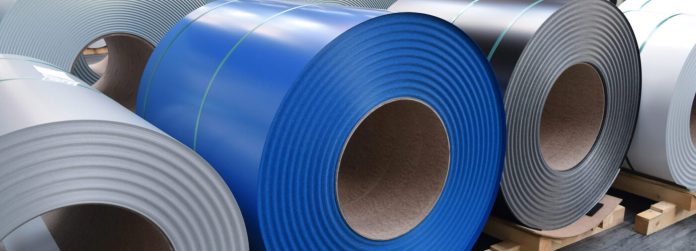


In modern metal processing industries, energy efficiency has become a major focus due to rising operational costs and increasing environmental regulations. A colour coating line is an energy-intensive system that involves continuous heating, cooling, chemical processing, and mechanical movement. Optimizing energy use is essential for improving profitability while maintaining consistent product quality.
A modern colour coating line integrates advanced thermal systems, automation controls, and process optimization technologies that help reduce energy consumption across all production stages. From curing ovens to pre-treatment units, every section offers opportunities for energy savings when properly managed.
Understanding Energy Consumption in a Colour Coating Line
Energy usage in a colour coating line is distributed across several key systems. The most energy-demanding processes include thermal curing, drying, and mechanical drive systems.
Main energy-consuming areas include:
- Curing ovens and heating systems
- Pre-treatment drying units
- Electrical motors and drive systems
- Air circulation and ventilation systems
Identifying these areas is the first step toward effective energy optimization.
Optimizing Curing Oven Efficiency
The curing oven is the largest consumer of energy in the entire system. Improving its efficiency can significantly reduce overall energy costs.
Key optimization methods include:
- Improving thermal insulation to reduce heat loss
- Using multi-zone temperature control systems
- Optimizing airflow distribution inside ovens
- Reducing unnecessary preheating time
Proper oven management ensures stable curing while minimizing energy waste.
Heat Recovery Systems
Heat recovery is one of the most effective energy-saving technologies in a colour coating line. Waste heat from curing ovens can be reused in other parts of the process.
Applications include:
- Pre-heating incoming air
- Supporting drying systems in pre-treatment sections
- Maintaining chemical bath temperatures
By reusing thermal energy, manufacturers can significantly reduce fuel and electricity consumption.
Efficient Pre-treatment System Operation
Pre-treatment processes such as cleaning, rinsing, and chemical treatment also consume energy, especially in heating and drying stages.
Energy-saving strategies include:
- Optimizing water heating systems
- Reducing excessive rinsing cycles
- Recycling rinse water where possible
- Maintaining stable chemical concentrations
Efficient process control reduces unnecessary energy usage in these early stages.
High-Efficiency Motors and Drives
Mechanical systems in a colour coating line operate continuously, making motor efficiency an important factor in energy consumption.
Key improvements include:
- Using high-efficiency electric motors
- Installing variable frequency drives (VFDs)
- Reducing mechanical friction in rollers and conveyors
- Optimizing line speed based on production needs
These upgrades help reduce electricity usage while maintaining performance.
Automation and Smart Energy Monitoring
Modern automation systems play a critical role in energy optimization by monitoring and controlling energy usage in real time.
Key features include:
- Real-time energy consumption tracking
- Automatic shutdown of idle equipment
- Process optimization based on production load
- Data analysis for energy efficiency improvements
Smart systems allow operators to identify inefficiencies and adjust operations accordingly.
Optimizing Line Speed and Production Scheduling
Energy efficiency is closely linked to production planning. Running the line at optimal speed reduces unnecessary energy consumption.
Best practices include:
- Avoiding frequent start-stop cycles
- Maintaining stable production loads
- Scheduling high-volume production during efficient operating periods
- Reducing idle running time
Stable operation improves both energy efficiency and product quality.
Thermal Insulation and Equipment Maintenance
Proper insulation and maintenance are essential for preventing energy loss in high-temperature systems.
Maintenance practices include:
- Regular inspection of oven insulation
- Sealing heat leakage points
- Cleaning heat exchangers and air ducts
- Maintaining burner efficiency
Well-maintained systems consume significantly less energy over time.
Waste Reduction and Process Optimization
Reducing material waste also contributes indirectly to energy savings, as less reprocessing means lower energy consumption.
Key strategies include:
- Precise coating thickness control
- Improved defect detection systems
- Stable chemical process management
- Reducing off-spec production rates
Efficient production reduces both material and energy waste.
Conclusion
Energy saving in a colour coating line is achieved through a combination of process optimization, advanced automation, and efficient equipment management. By improving oven efficiency, recovering waste heat, using high-efficiency motors, and optimizing production processes, manufacturers can significantly reduce energy consumption.
As energy costs continue to rise, implementing effective energy-saving techniques is essential for maintaining competitiveness, improving sustainability, and ensuring long-term operational efficiency in modern coating line operations.