
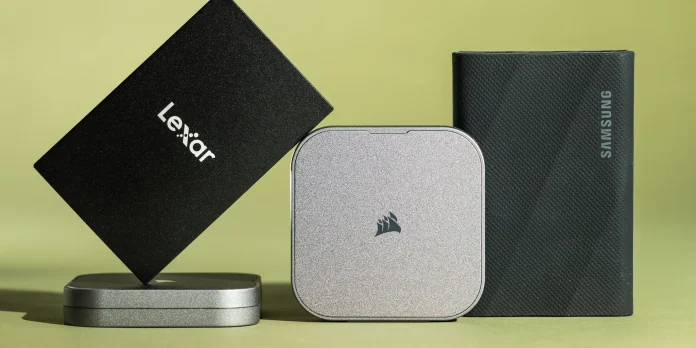


External SSDs under $100 have become one of the most practical upgrades for anyone dealing with limited storage on laptops, consoles, or cameras. They combine fast transfer speeds, solid durability, and compact design, making them far more efficient than traditional external hard drives. The key to choosing the right one lies in balancing speed performance, build quality, and storage capacity without overspending.
When comparing options for everyday use, guides like best external SSDs under 100 help narrow down choices, but understanding real-world performance metrics such as transfer speed consistency and durability ratings is just as important.
Why External SSDs Are Worth It in This Price Range
External SSDs in the sub-$100 category offer a major performance leap over HDDs. Even budget SSDs typically deliver several times the speed of traditional spinning drives, making them ideal for backups, gaming libraries, and video editing.
Key advantages include:
- Faster file transfers (often 400MB/s to 1,000MB/s+)
- No moving parts, which improves durability
- Compact and lightweight designs for portability
- Lower risk of data loss from drops or shocks
Real-world tests show that even entry-level SSDs can drastically reduce transfer times for large files compared to HDDs, especially when handling media or game data.
Speed Performance: What You Actually Get Under $100
Most external SSDs in this price category use USB 3.2 Gen 2 connections, which typically cap real-world speeds around 800–1,050MB/s depending on the model and hardware.
Typical performance breakdown:
- Budget models: ~450–700MB/s
- Mid-range models: ~800–1,000MB/s
- High-value performers: up to ~2,000MB/s (limited capacity models)
In practical use, this means:
- Transferring 50GB of files can take just a few minutes instead of half an hour
- Game load times are significantly reduced
- Video editing workflows become smoother when working directly from the drive
Even the more affordable SSDs still outperform HDDs by a large margin, making them a strong value upgrade.
Durability: Built for Travel and Everyday Use
One of the biggest advantages of external SSDs is durability. Since they contain no mechanical parts, they are far more resistant to drops and physical shocks compared to traditional hard drives.
Most reliable budget SSDs include:
- Drop resistance (commonly 2 meters or more)
- Shock-resistant casing or rubberized protection
- Lightweight builds for portability
- Some level of dust or splash resistance
This makes them ideal for students, travelers, and content creators who frequently move between locations.
Storage Capacity vs Performance Trade-Off
Under $100, buyers typically choose between 500GB and 1TB models. Each has its strengths depending on usage:
- 500GB drives: Best for documents, small media libraries, and basic backups
- 1TB drives: Better value per gigabyte and suitable for games, videos, and larger projects
In most cases, 1TB models offer better long-term value because cost per GB is usually lower at higher capacities.
Real-World Use Cases
External SSDs in this category are widely used for:
- Gaming storage for consoles and PCs
- 4K video editing and media transfer
- Photo libraries and creative workflows
- System backups and file archiving
- Portable work drives for professionals
Their versatility is one of the main reasons they have replaced HDDs for many users.
Durability vs Speed vs Price: What to Prioritize
When choosing an external SSD under $100, the best balance depends on your priorities:
- Speed-focused users: Look for 800MB/s+ models with USB 3.2 Gen 2
- Travel users: Prioritize rugged builds and drop protection
- Budget users: Focus on reliable 500GB–1TB capacity with stable performance
Many modern SSDs manage to combine all three reasonably well, but compromises still exist depending on brand and controller quality.
Final Thoughts
External SSDs under $100 offer an excellent mix of speed, durability, and portability, making them one of the best storage upgrades available today. While they may not reach the extreme speeds of premium models, they deliver more than enough performance for everyday users, gamers, and creators.
By focusing on real-world transfer speeds, build quality, and storage needs, you can find a drive that significantly improves workflow efficiency without exceeding your budget.