
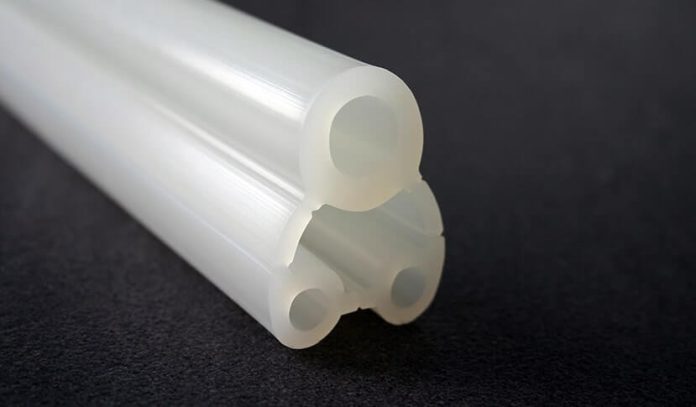


Introduction to Medical Silicone Tubing Regulations
Medical silicone tubing is a critical component in healthcare environments, used in applications ranging from intravenous therapy to respiratory equipment and laboratory fluid transfer. Because it comes into direct contact with bodily fluids, tissues, and sensitive medications, it is subject to strict regulations and certifications to ensure safety, reliability, and performance. Compliance with these standards protects patients, healthcare providers, and manufacturers by maintaining consistent quality and minimizing the risk of contamination or device failure.
Hospitals, laboratories, and medical device manufacturers rely on tubing that has been tested and certified according to international guidelines. High-quality Medical Silicone Tubing undergoes rigorous evaluations to meet safety and regulatory requirements. Understanding the regulatory landscape is essential for manufacturers and healthcare providers to ensure that silicone tubing is safe for use in clinical and research settings.
Key Regulatory Bodies and Standards
Several regulatory agencies and organizations establish guidelines for medical silicone tubing to ensure it is safe for patient use. In the United States, the Food and Drug Administration (FDA) regulates medical devices, including silicone tubing, under the Federal Food, Drug, and Cosmetic Act. The FDA classifies medical tubing based on risk and requires manufacturers to demonstrate biocompatibility, chemical stability, and mechanical performance through standardized testing.
Internationally, the International Organization for Standardization (ISO) provides standards relevant to medical silicone tubing. ISO 10993, for instance, defines the biological evaluation of medical devices, including cytotoxicity, sensitization, and irritation tests. Compliance with ISO standards ensures that silicone tubing meets global safety benchmarks and can be used in medical devices across multiple countries.
The European Union regulates medical devices under the Medical Device Regulation (MDR), which sets strict requirements for safety, performance, and traceability. Manufacturers must demonstrate conformity through clinical evaluation, risk assessment, and adherence to harmonized standards. These regulations ensure that medical silicone tubing used in Europe meets the highest safety and quality standards.
Biocompatibility and Material Safety Certifications
Biocompatibility is one of the most important aspects of medical silicone tubing. Tubing must be safe for direct contact with human tissues and fluids without causing irritation, allergic reactions, or toxicity. Certification processes involve testing the material for cytotoxicity, sensitization, hemocompatibility, and systemic toxicity.
Manufacturers conduct these tests according to ISO 10993 standards, and successful results are documented in technical files. FDA compliance also requires biocompatibility evidence for tubing used in medical devices, especially those intended for long-term or implantable applications. This ensures that the silicone tubing can be safely integrated into various medical procedures, from intravenous therapy to catheter systems.
Sterilization and Reprocessing Standards
Medical silicone tubing often undergoes sterilization to maintain hygiene and prevent infection. Regulatory standards require that tubing be compatible with sterilization methods, including autoclaving, gamma radiation, ethylene oxide, and chemical sterilants. Tubing must retain its mechanical properties and structural integrity after multiple sterilization cycles.
Standards such as ISO 17665 for moist heat sterilization and ISO 11135 for ethylene oxide sterilization define procedures to validate the effectiveness of sterilization while ensuring material stability. Compliance with these standards allows hospitals and laboratories to maintain sterile conditions and safely reuse tubing when appropriate.
Dimensional and Mechanical Performance Requirements
Medical silicone tubing must also meet strict dimensional and mechanical specifications. Regulatory guidelines often require testing for wall thickness, inner and outer diameter consistency, tensile strength, elongation, and compression set. These properties ensure that the tubing performs reliably under pressure, bending, or fluid flow conditions without collapsing or leaking.
Mechanical testing and quality control are essential for applications such as intravenous therapy, peristaltic pumps, and respiratory systems, where tubing failure could compromise patient safety. Compliance with these standards provides confidence that the silicone tubing will function consistently in critical medical devices.
Traceability and Documentation
Traceability is a key component of medical device regulation. Manufacturers are required to maintain detailed records of raw materials, production processes, and quality control tests. Certifications and documentation provide evidence that each batch of silicone tubing meets regulatory standards and can be traced back to the source material.
This traceability is crucial for recall management, quality audits, and regulatory inspections. Hospitals and laboratories can verify that the tubing they use complies with all applicable safety and performance requirements, reducing risk in patient care and research applications.
Conclusion
Medical silicone tubing is subject to stringent regulations and certifications to ensure safety, sterility, and reliable performance in healthcare environments. Compliance with FDA, ISO, and EU MDR standards, along with rigorous biocompatibility, sterilization, and mechanical testing, ensures that silicone tubing is suitable for medical use.
By adhering to these regulations, manufacturers provide hospitals, laboratories, and medical device companies with tubing that meets the highest standards of quality and safety. Proper certification and documentation also support traceability, allowing healthcare providers to maintain consistent patient safety and operational efficiency. Medical silicone tubing remains an essential component in medical procedures due to its regulatory compliance, biocompatibility, and reliability in critical applications.